Category Archives: Progress

New Staging Yard tracks

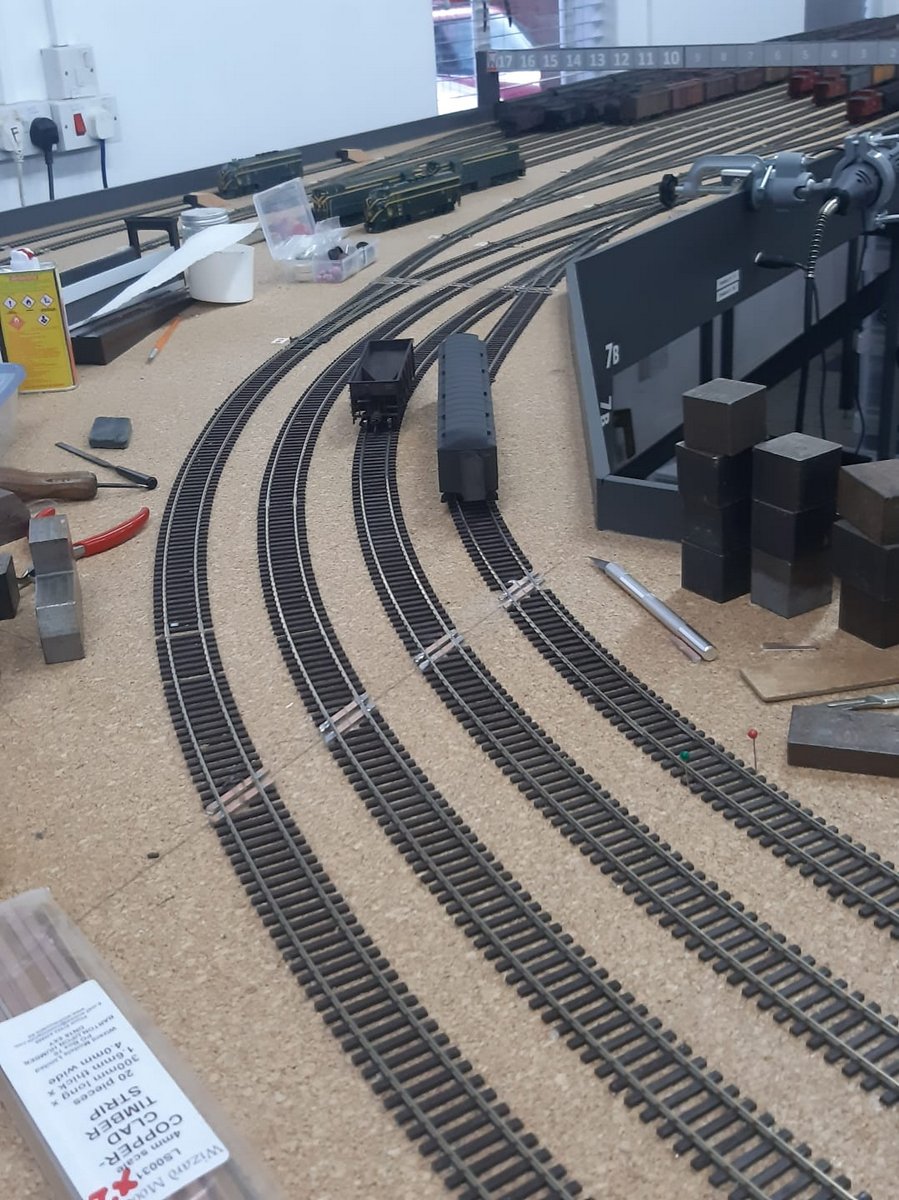
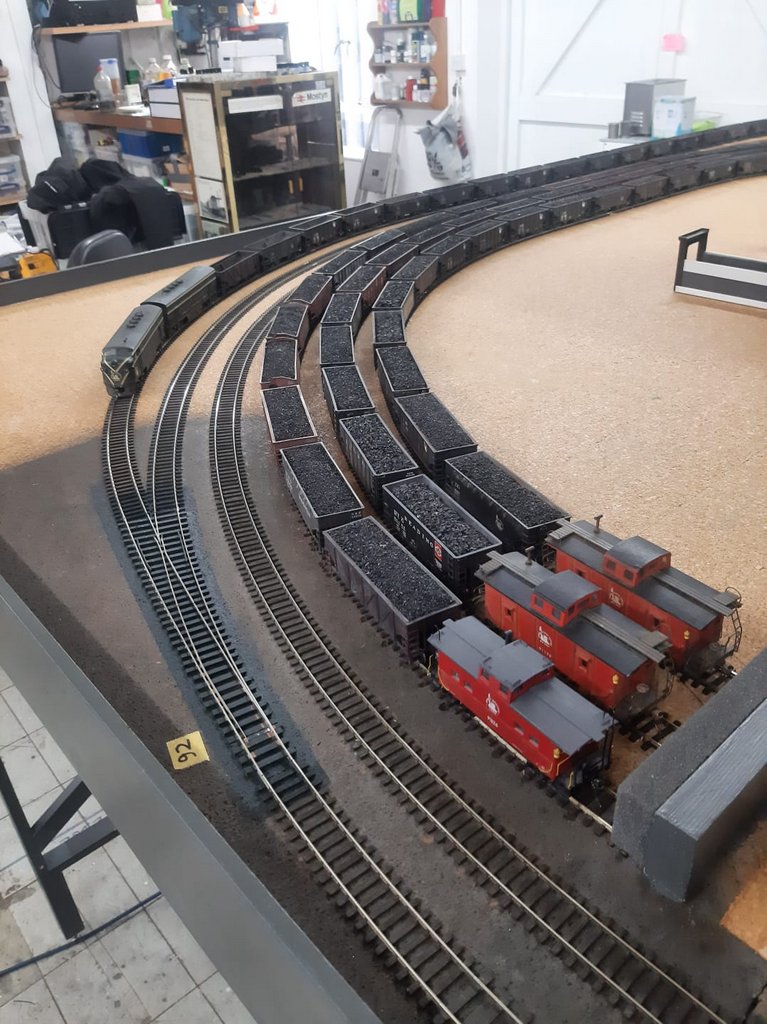
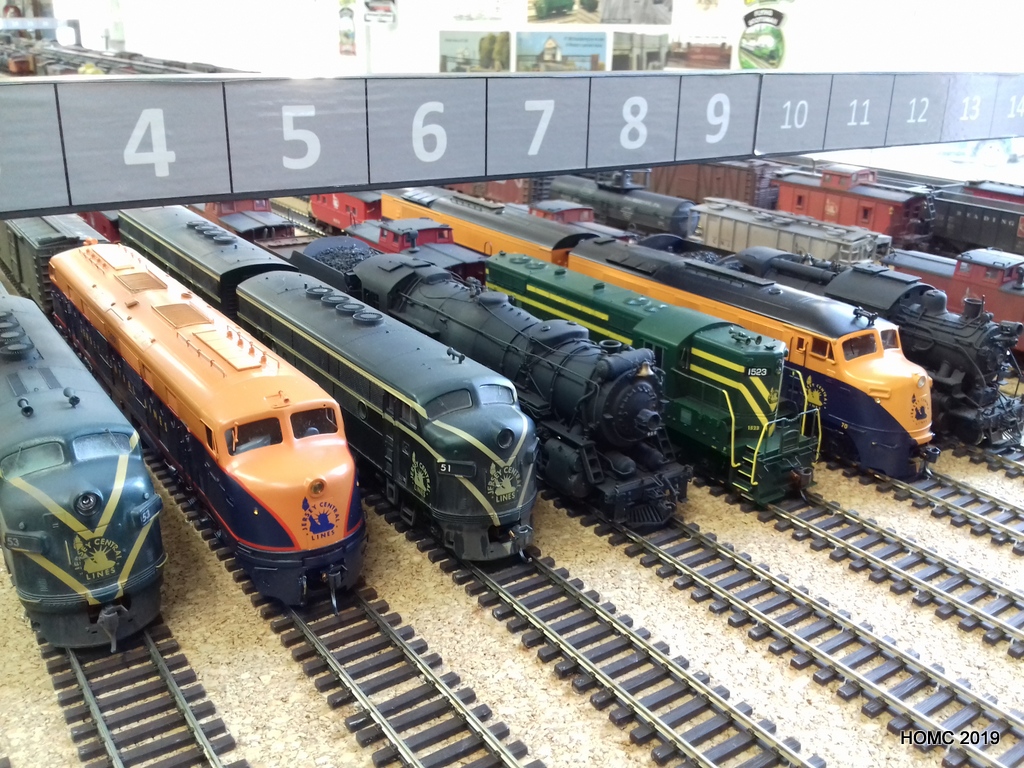
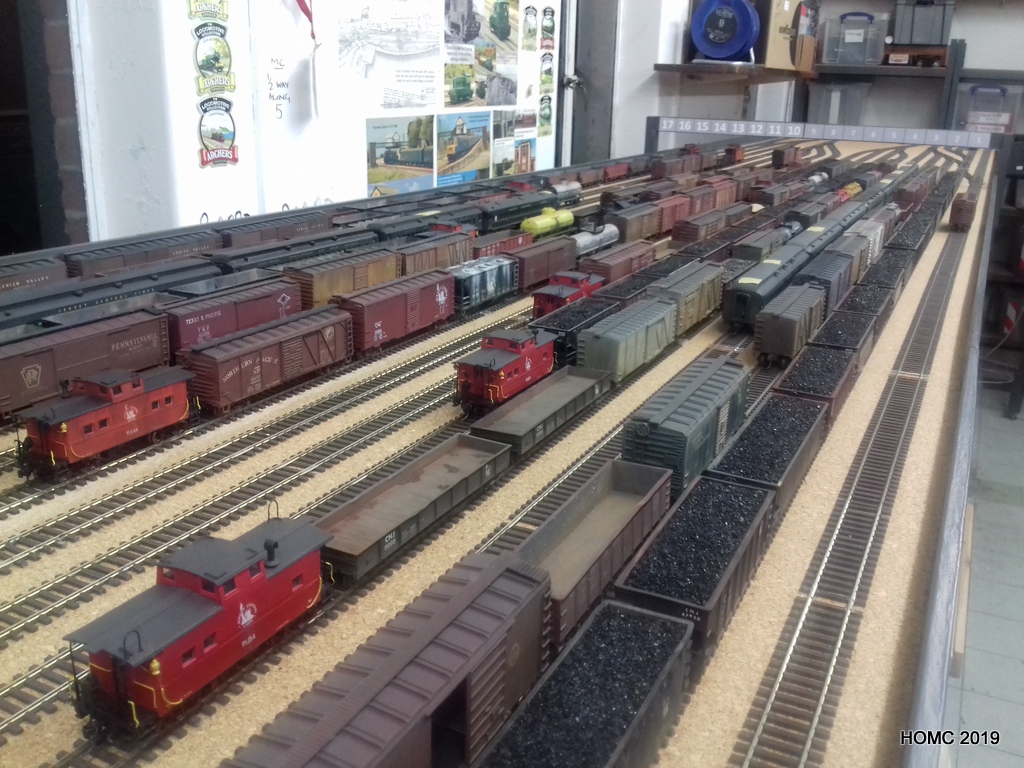
Over the last week, a team at Barrowmore, led by Richard and comprising Kevin Bays, Mike Rapson and Phil Sutton, set about laying some additional roads at one end of the staging yard. The first project was to add three terminating sidings off yard track East 1. These are long enough to hold a full length coal train and, with East 1 used as a clear through track, will allow for trains to be backed in and pulled out as required – essentially adding three tracks to the eastbound staging. The new switches were connected to Digikeijs boards.
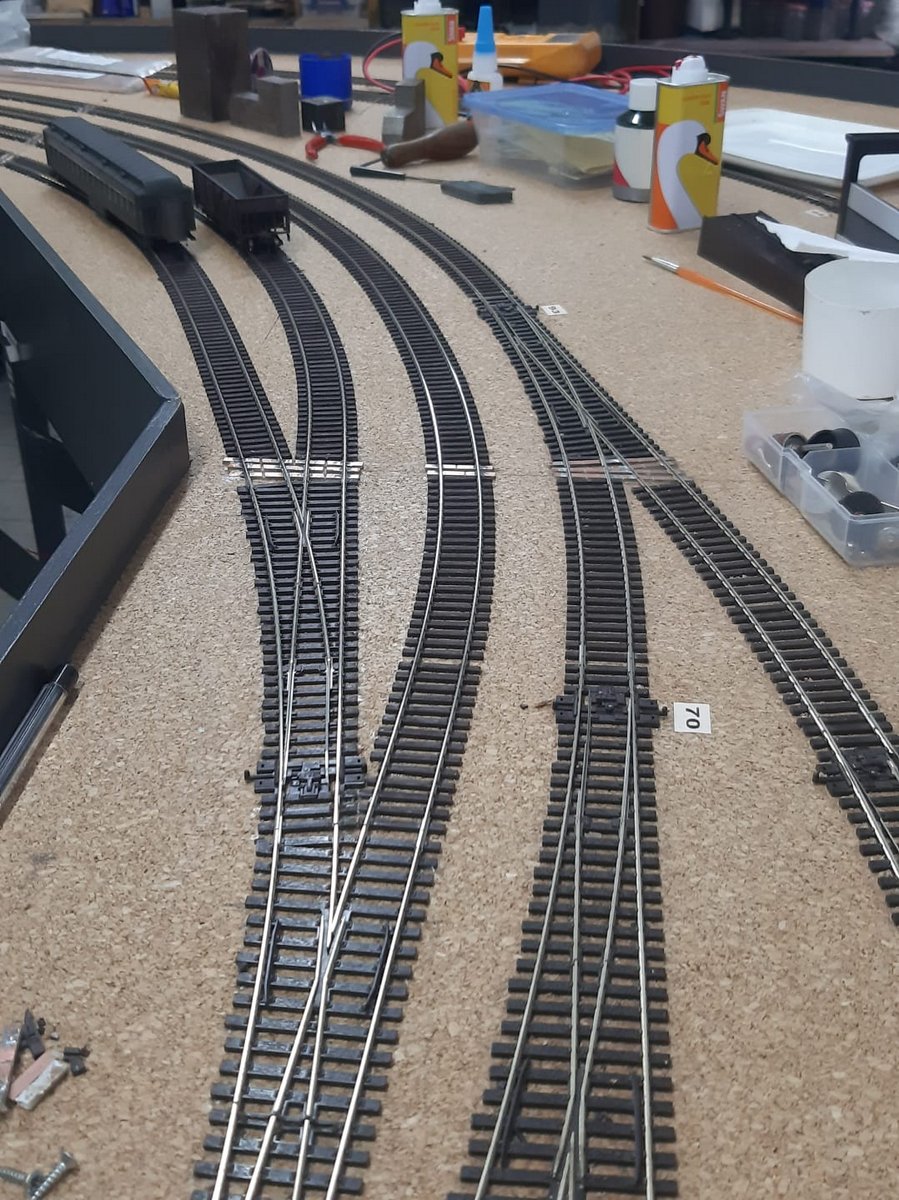
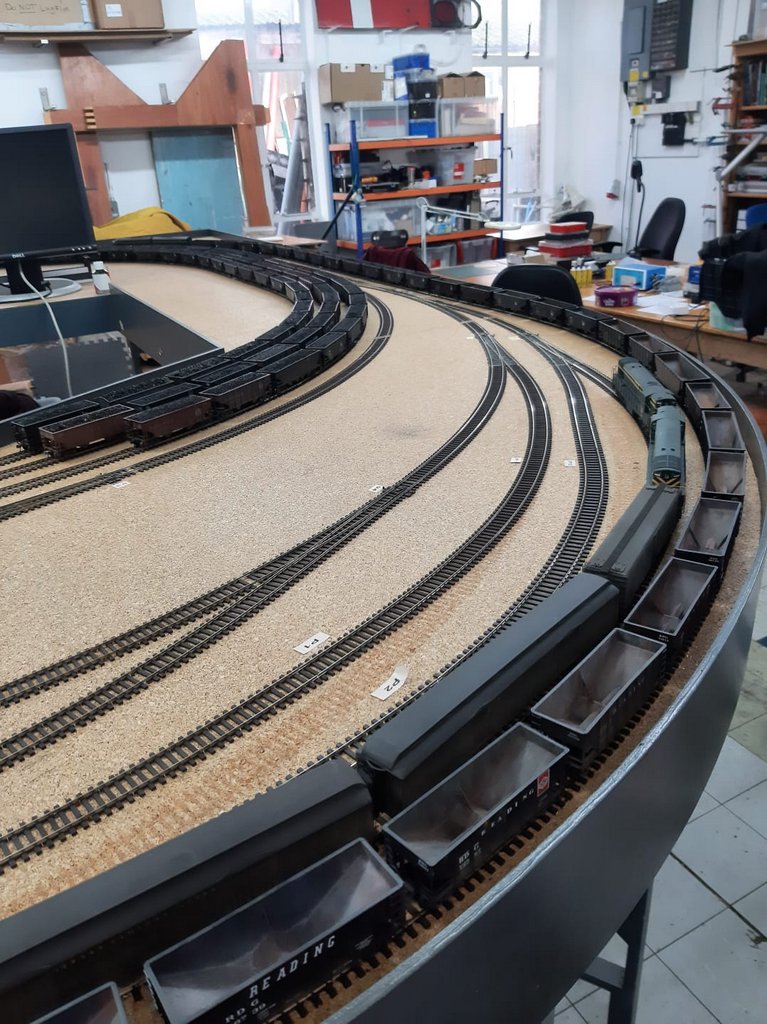
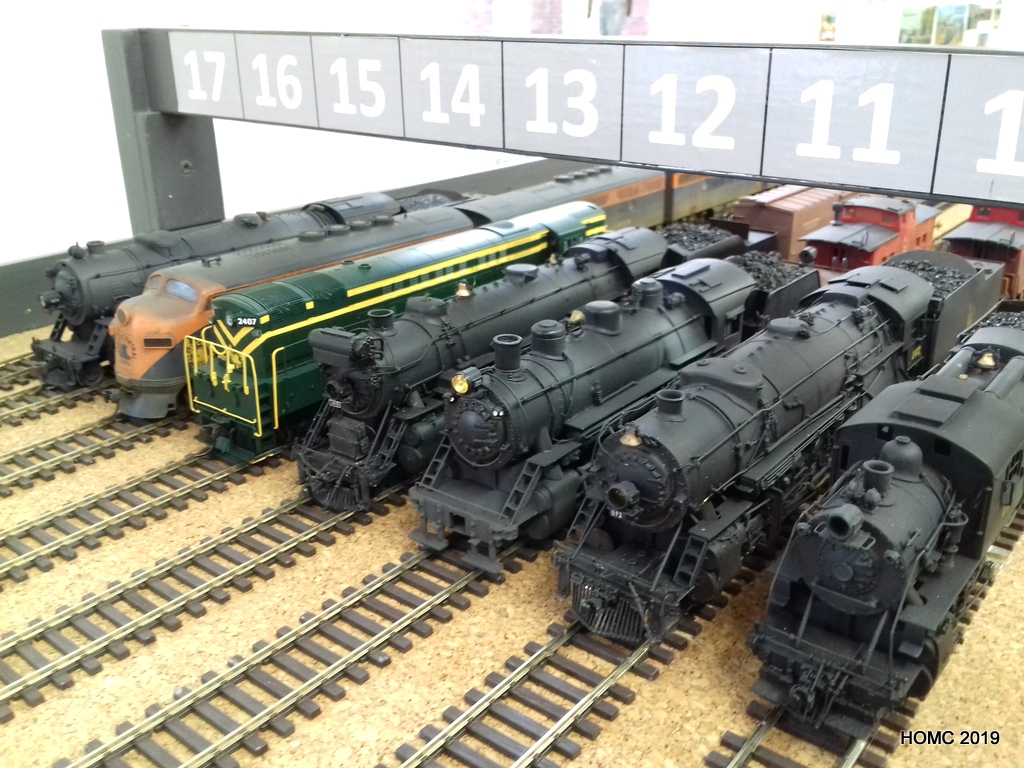
Later in the week, a decision was taken to lengthen two westbound tracks on the outside of the yard. Richard and Kevin lengthened yard track West 17 all the way round to just before the scenic section and track West 16  through to join slightly earlier. Whilst not adding extra tracks, the extra space available with multiple occupancy on each track is equivalent to two extra tracks. The two terminating tracks for passenger trains were also repositioned as shown:
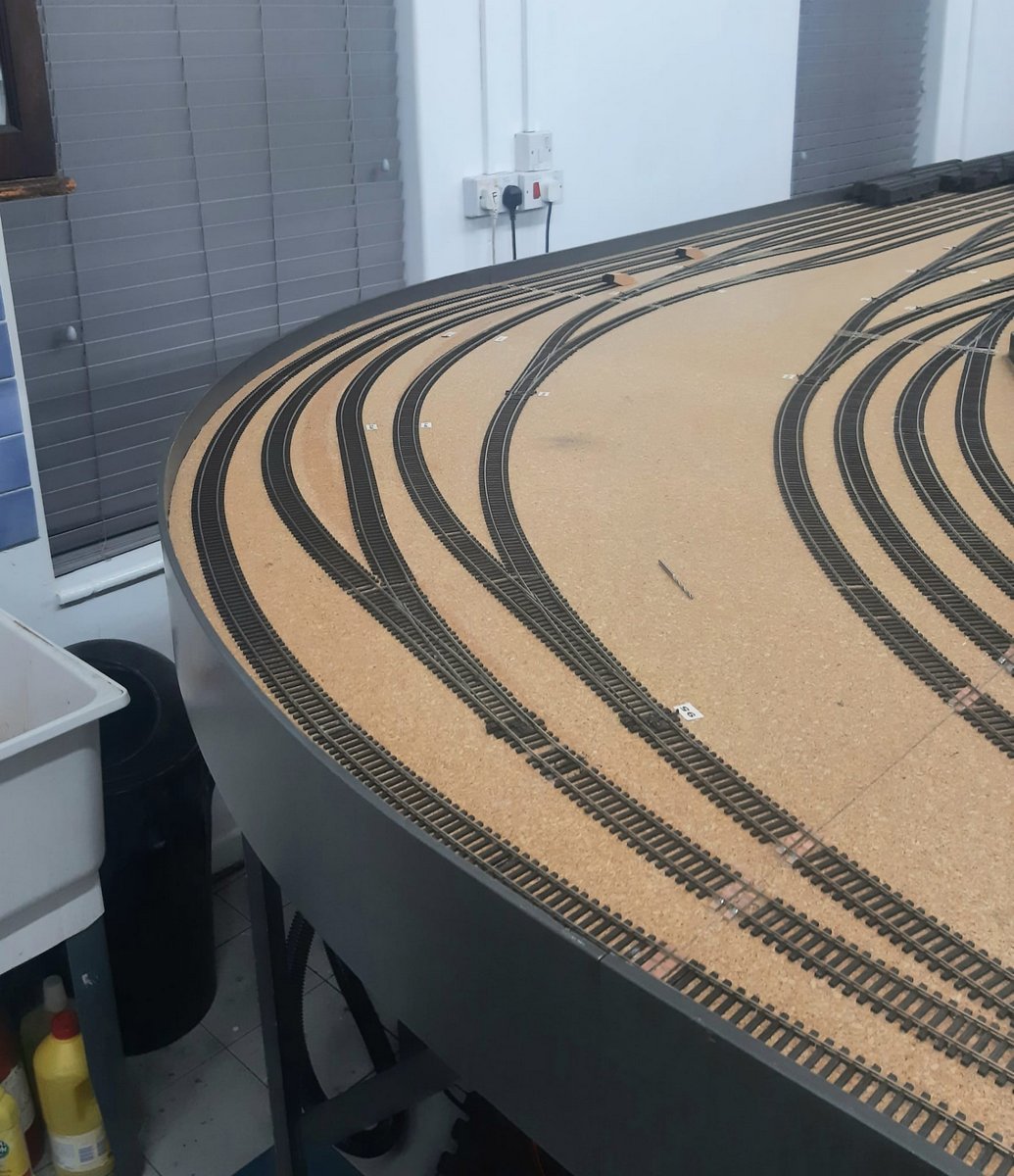
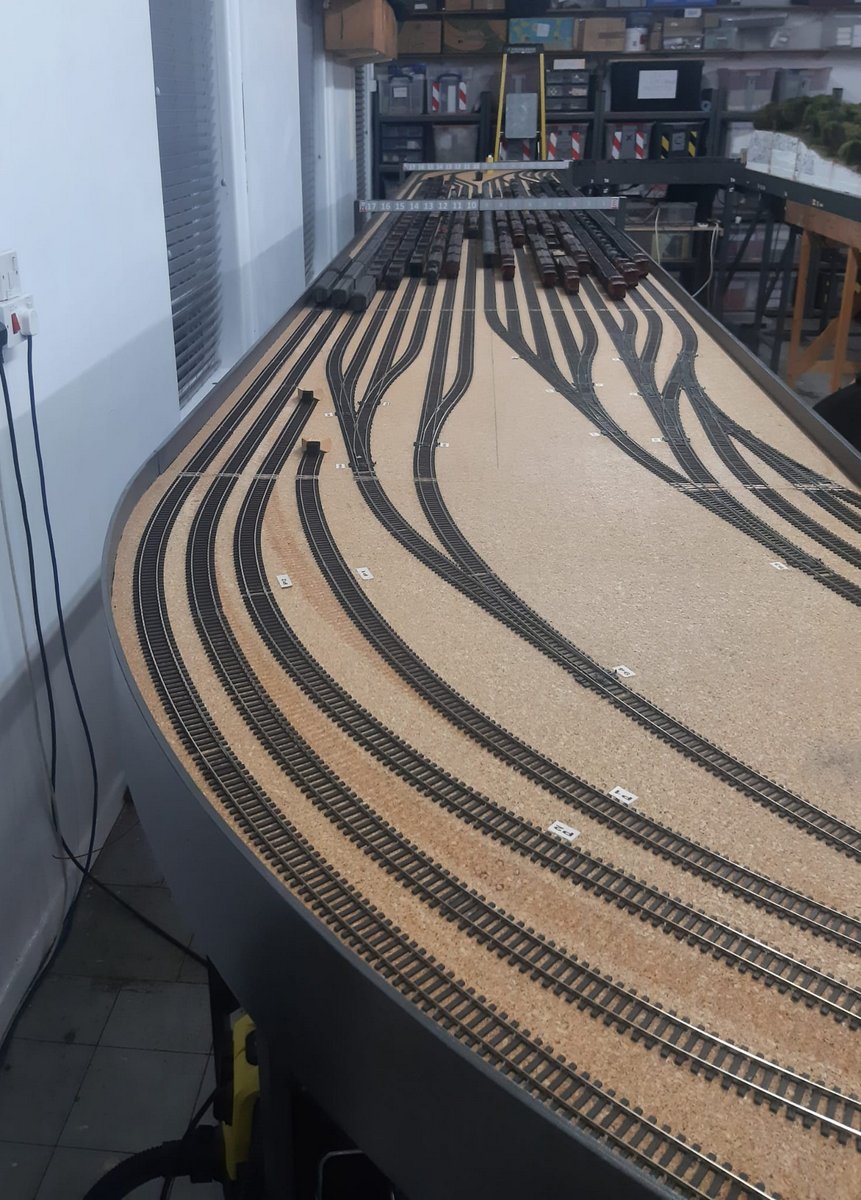
Dave Faulkner has subsequently programmed the changes into Big Bear.

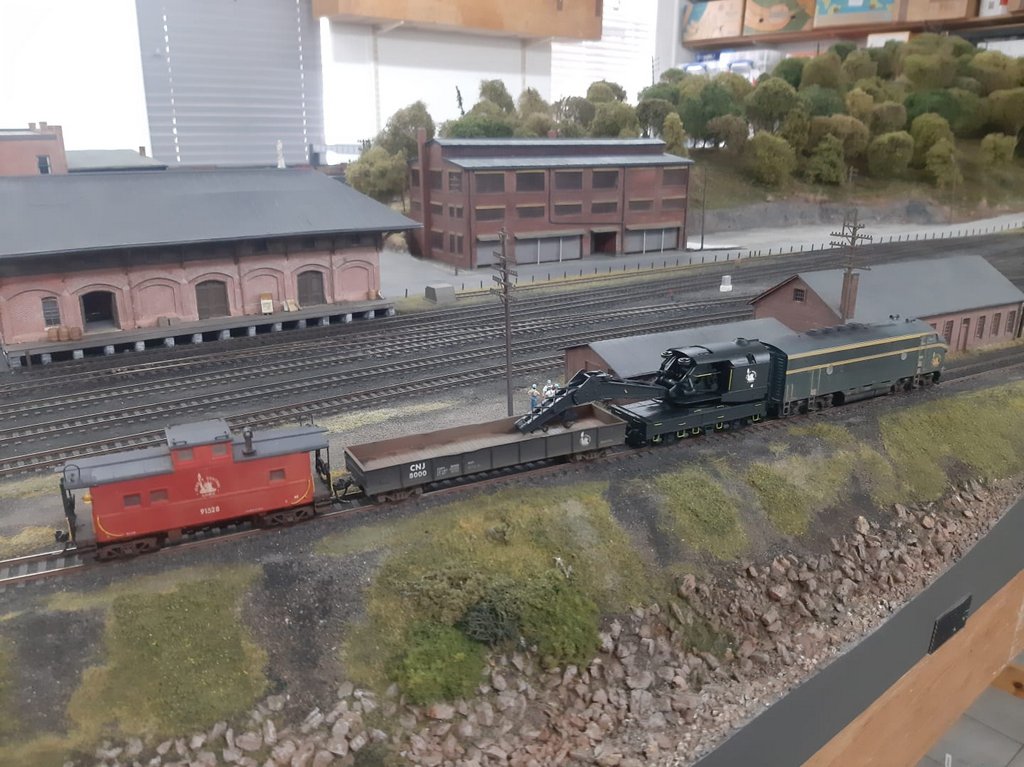
Crane Number 4

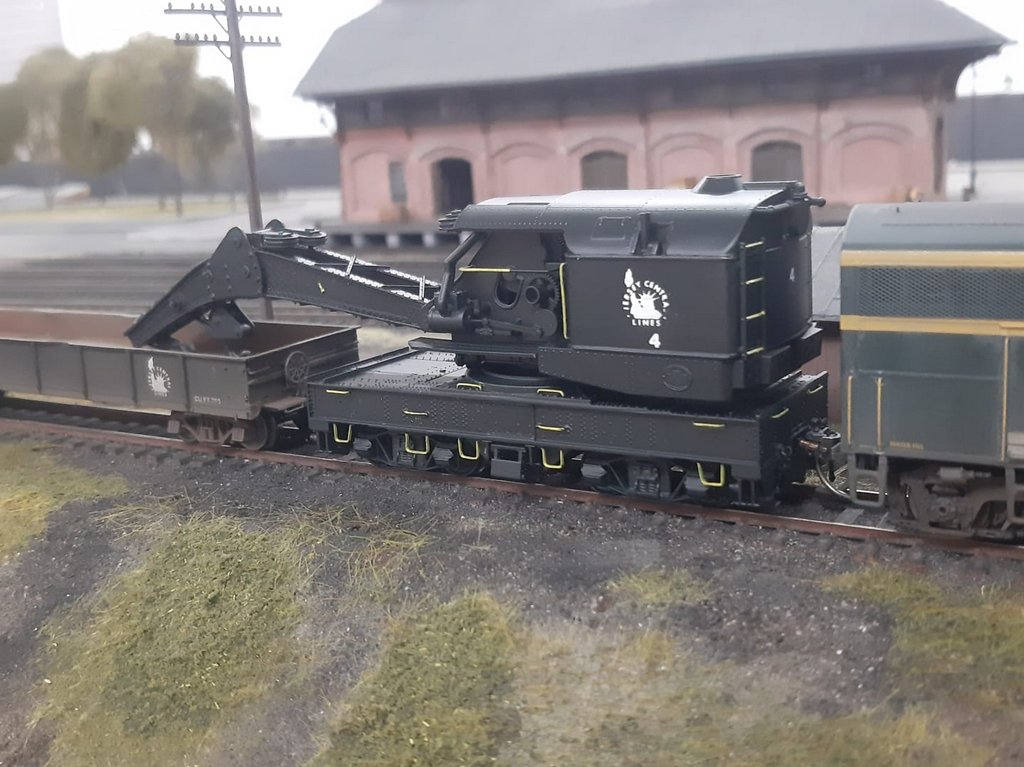
Richard is involved in an ongoing project to build mobile crane CNJ 4 from a Tichy Train Group kit 4010 – steam wrecking crane. In the images below, you can see the Tichy kit on the left and, on the right, a photo of the prototype taken from the CNJ/LV Guide to Freight and Passenger Equipment by Craig T. Bossler (1994) – now out of print but available 2nd hand.

Richard has now done most of the bodywork but still has to assemble and prepare the cables – It has now been painted and partly decalled. It’s looking very good!  More photos will be added as this progresses.

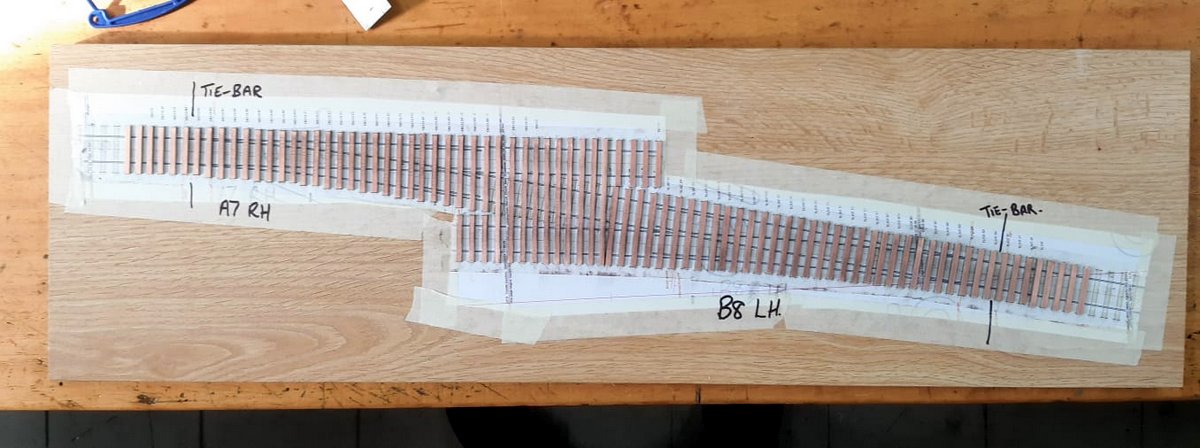
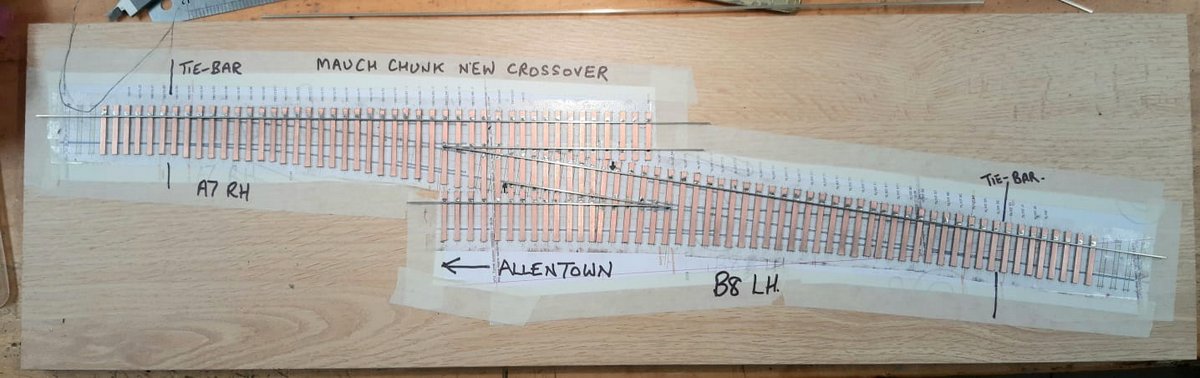
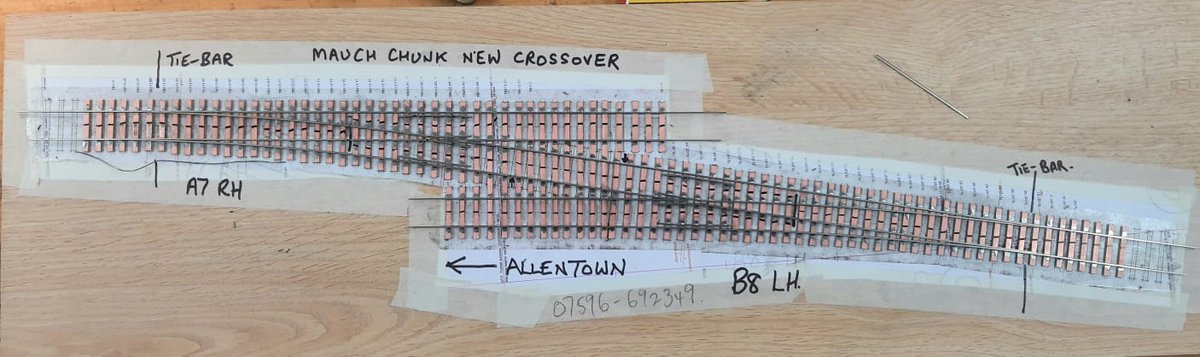
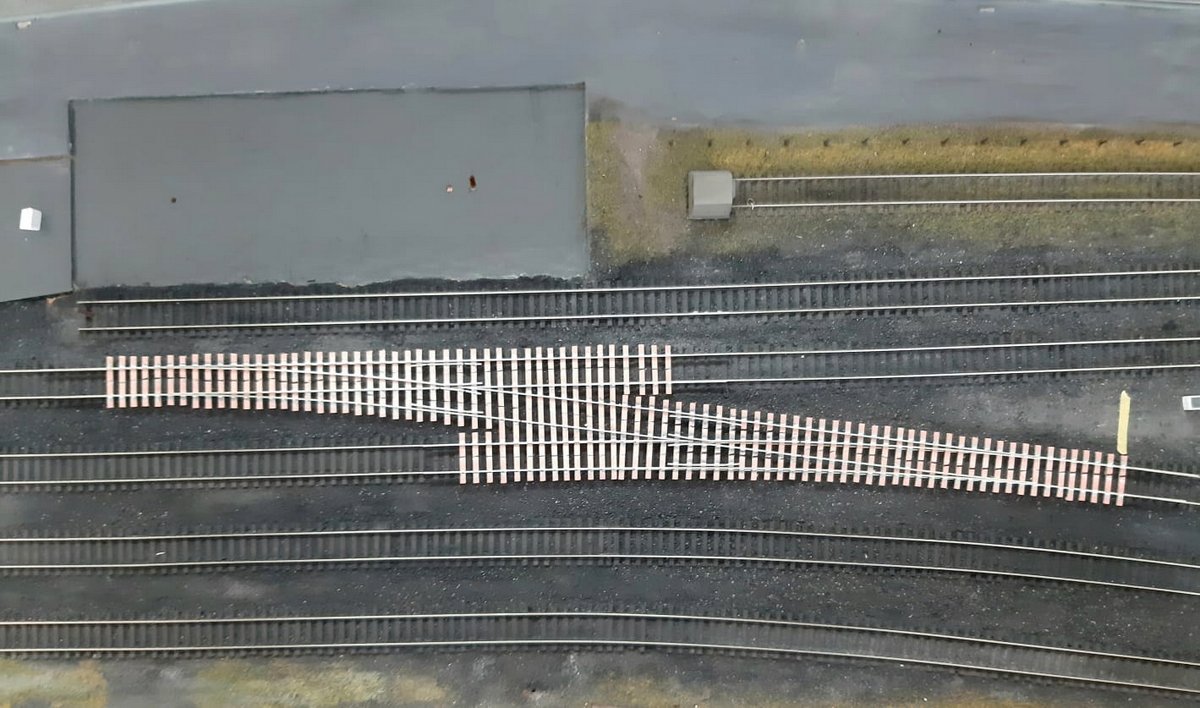
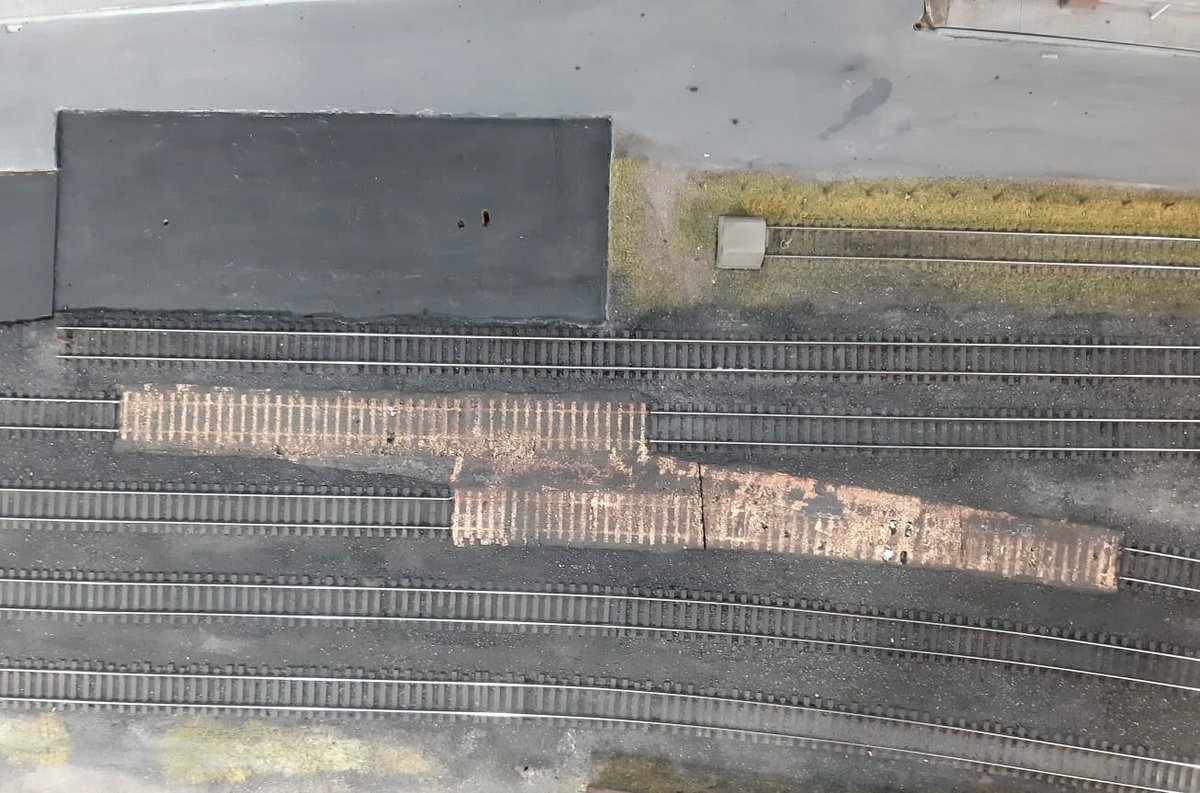
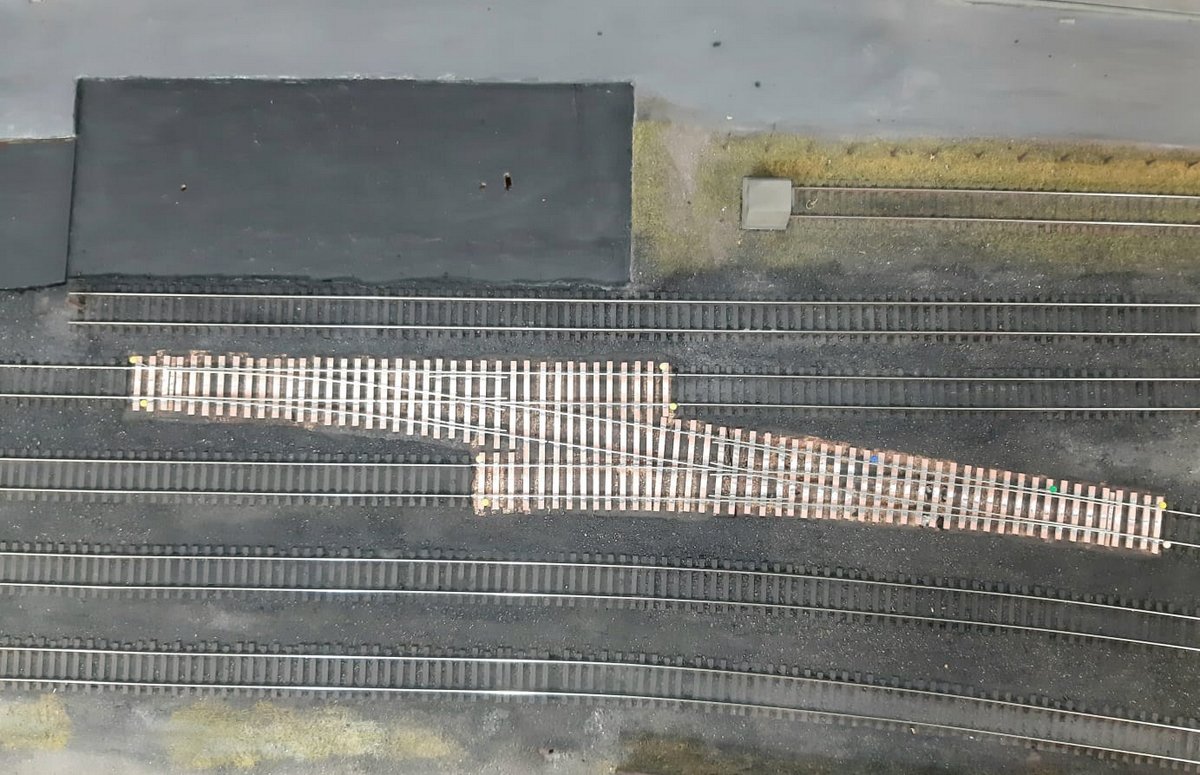
The missing crossover

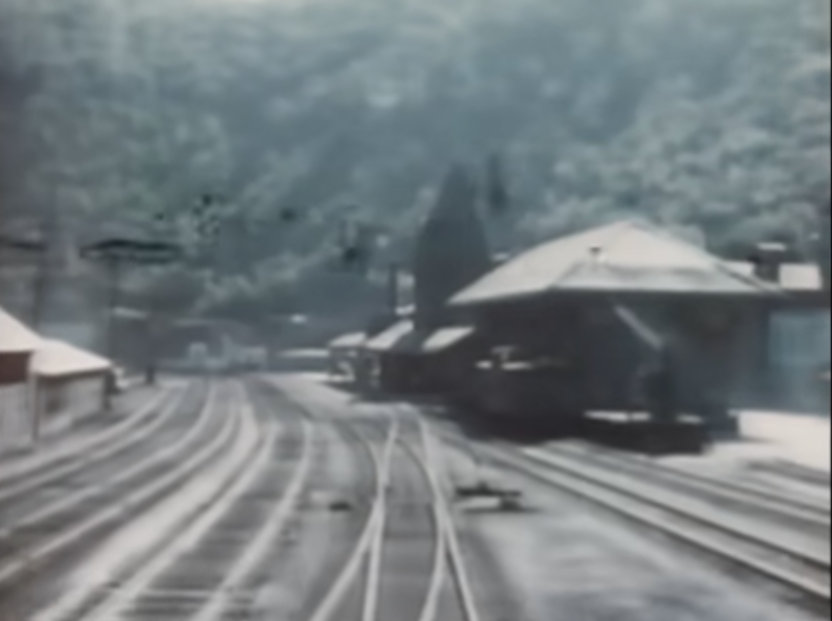
Back in December 2023 Richard found a video we hadn’t previously seen – the Big Little Railroad of 1948 and 9 minutes 20 seconds into it can clearly be seen a crossover going into the passenger road from the west.

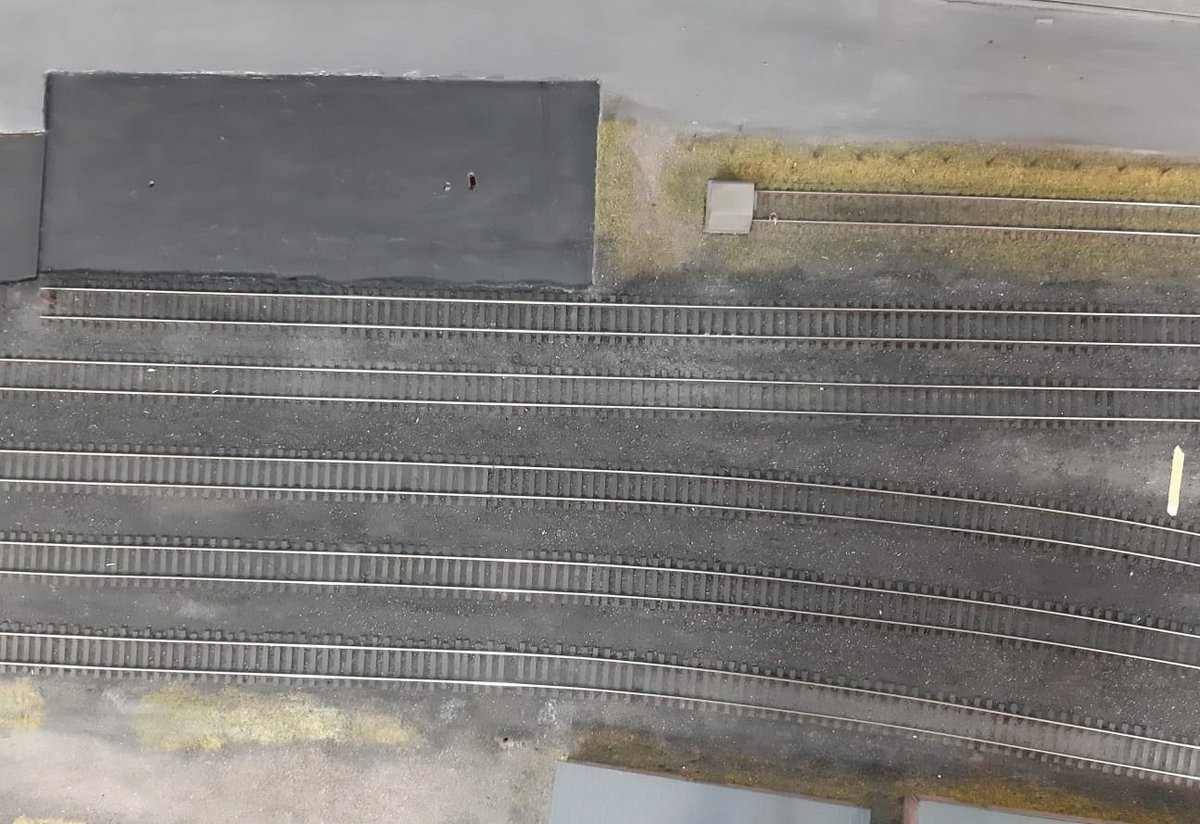
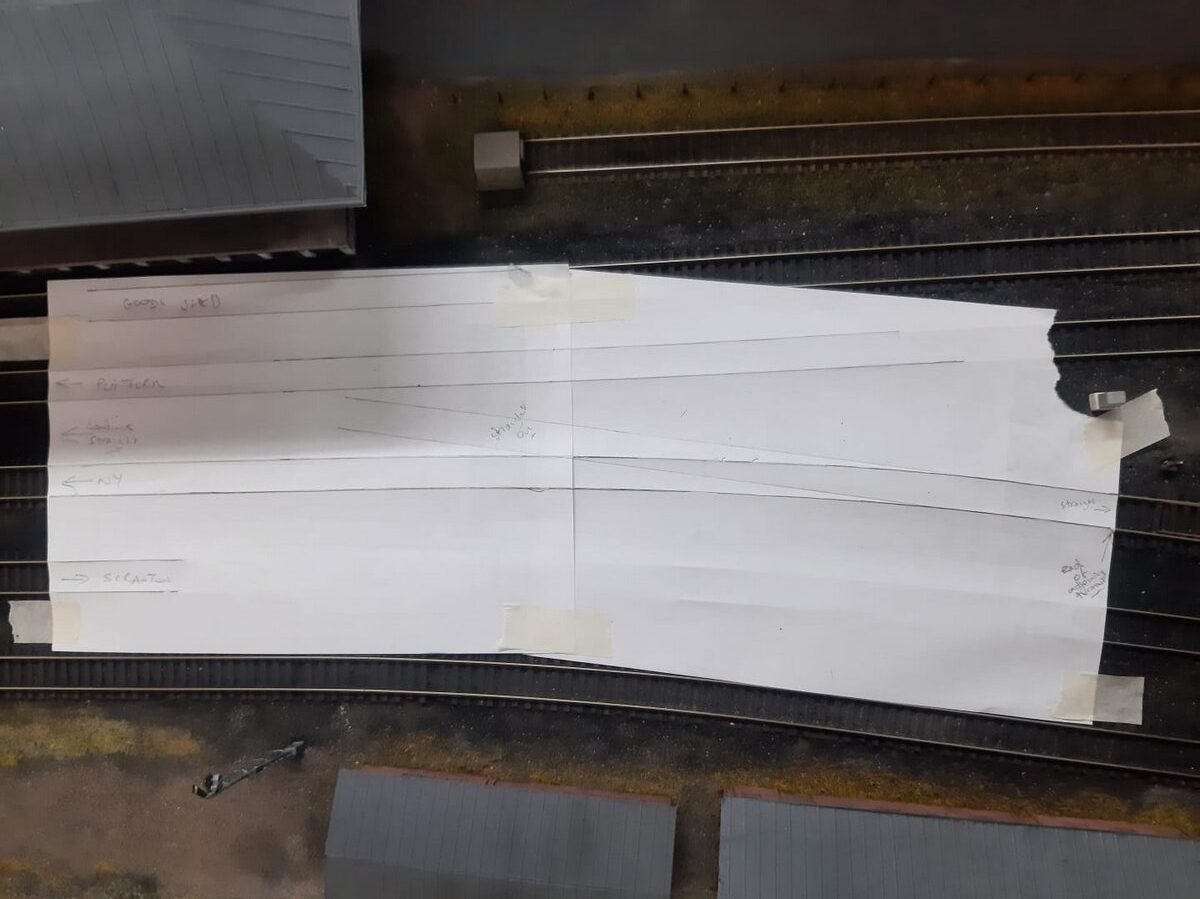
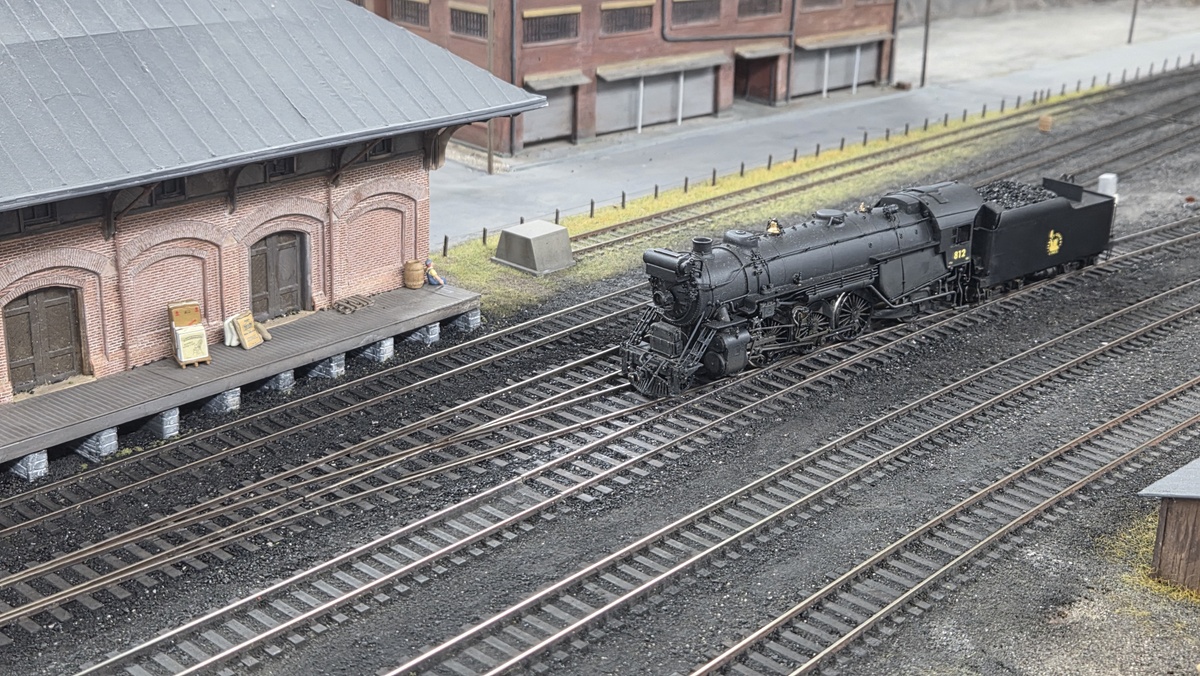
We quickly agreed that this be built and Richard embarked on the process – as shown in the photos below.

The new crossover gives lots of additional operating possibilities.

Back to Barrowmore

On 16th September, Richard, Dave Faulkner and Steve moved Mauch Chunk back to the rather more spacious Barrowmore clubrooms. From here it is hoped that the layout will again go out to exhibition. We plan to test it and fettle it in November this year in preparation.

A new home

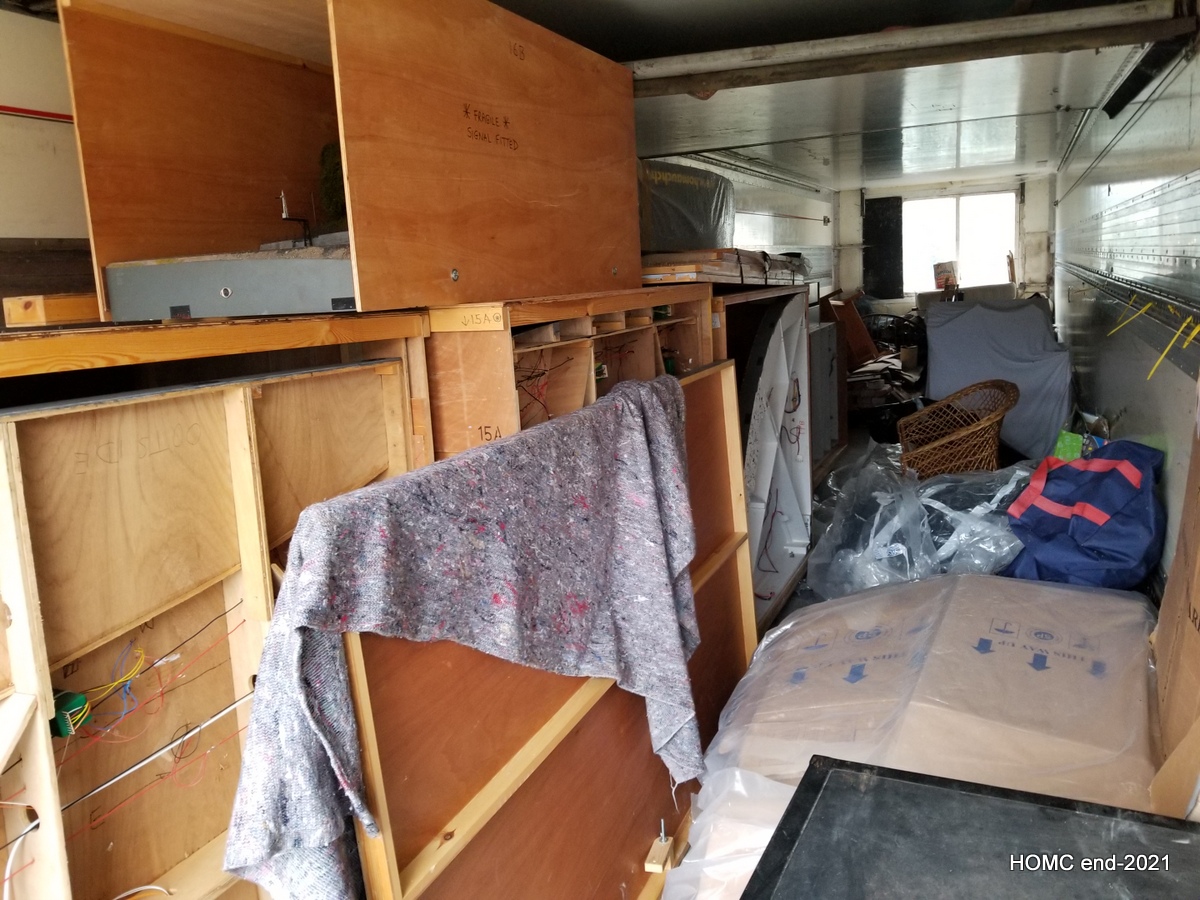
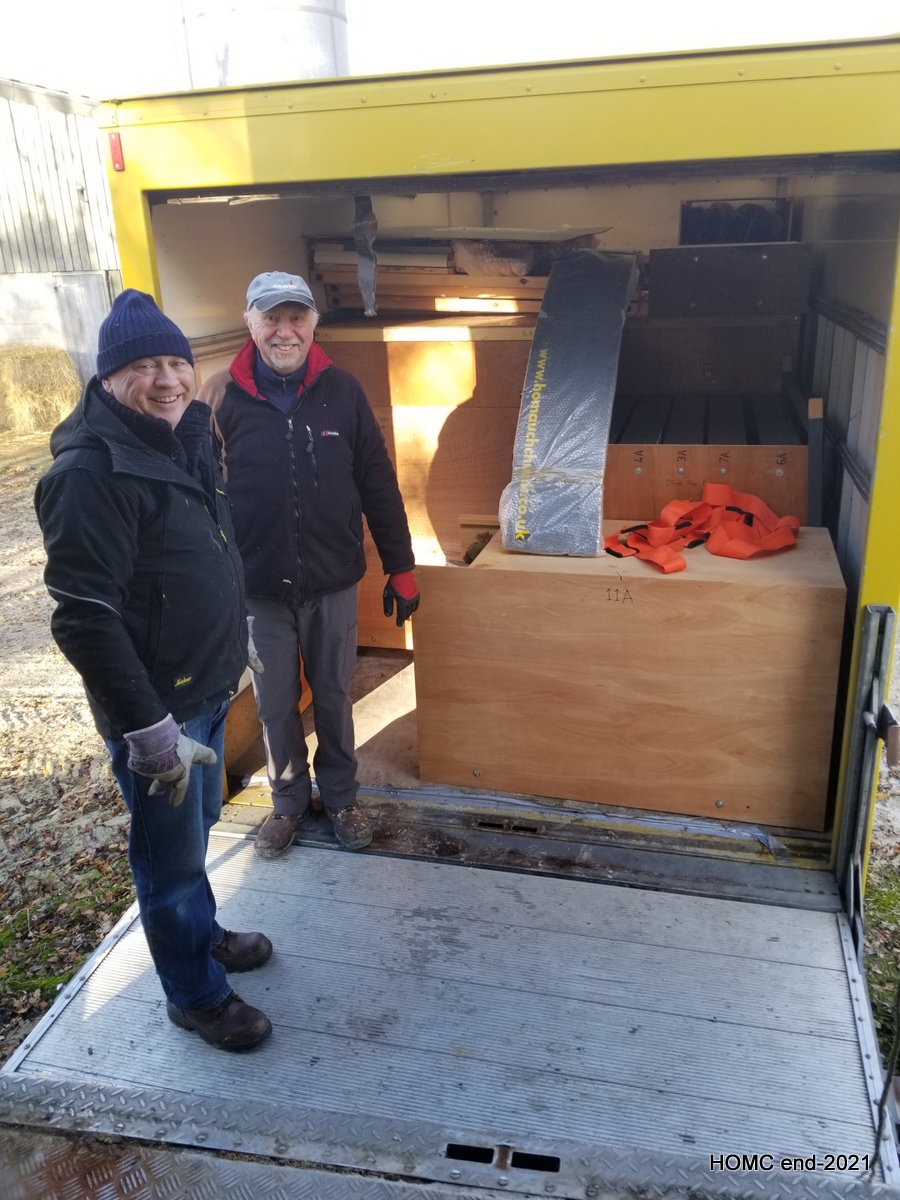
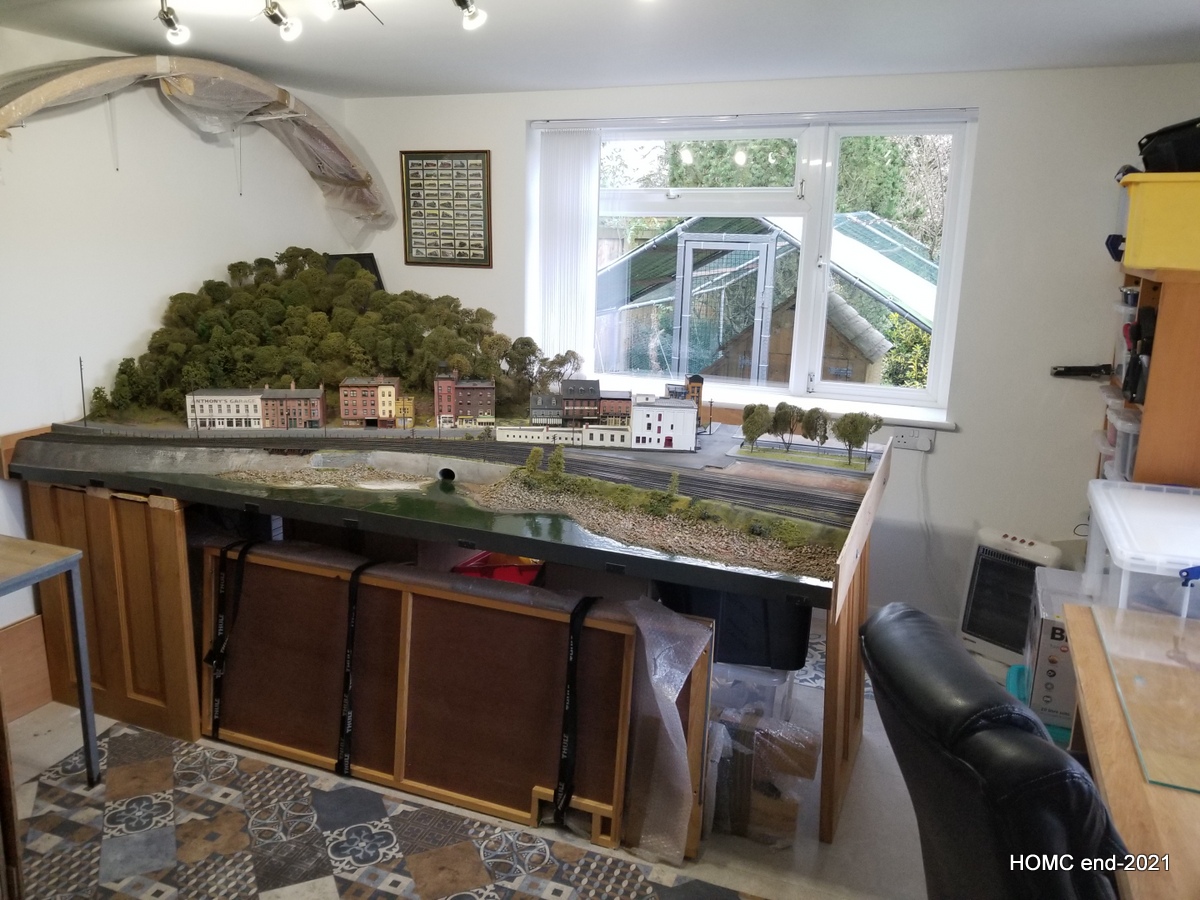
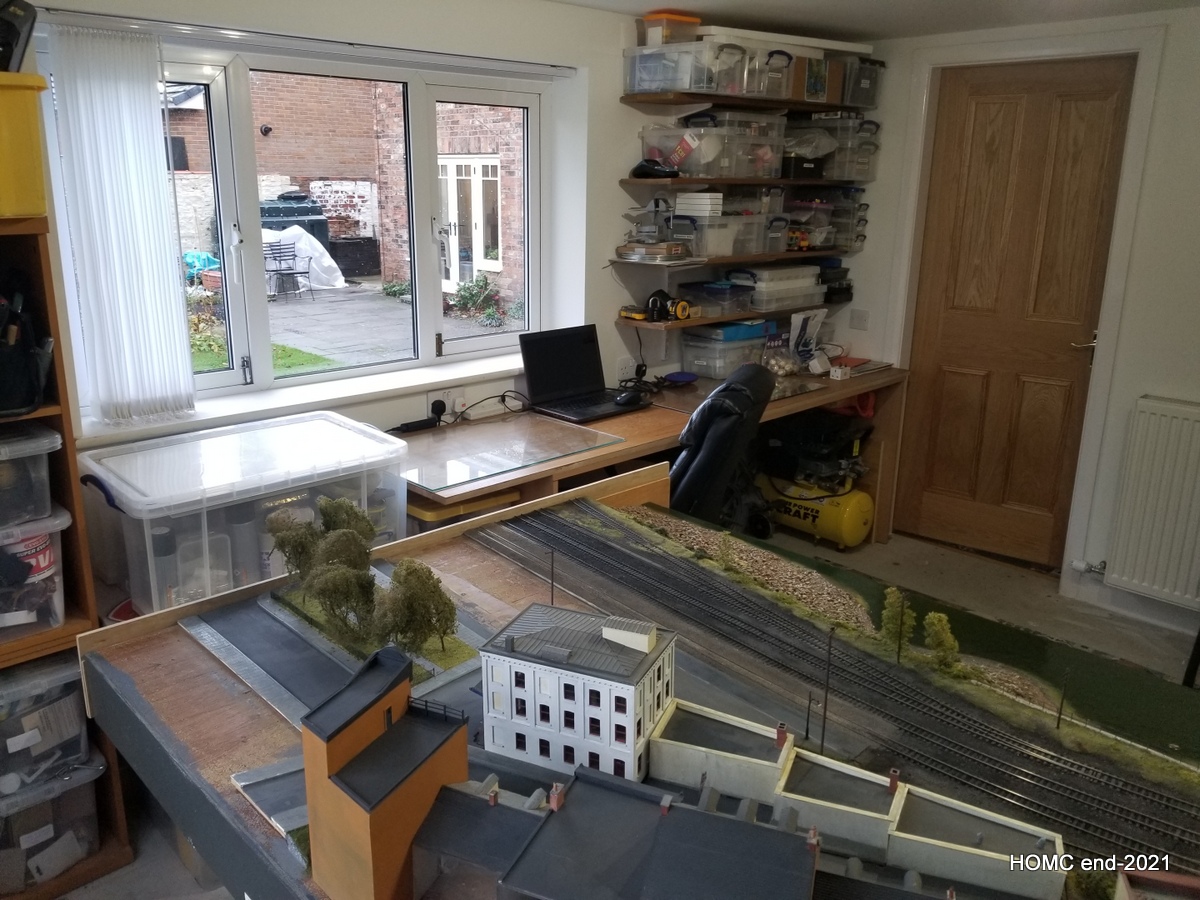
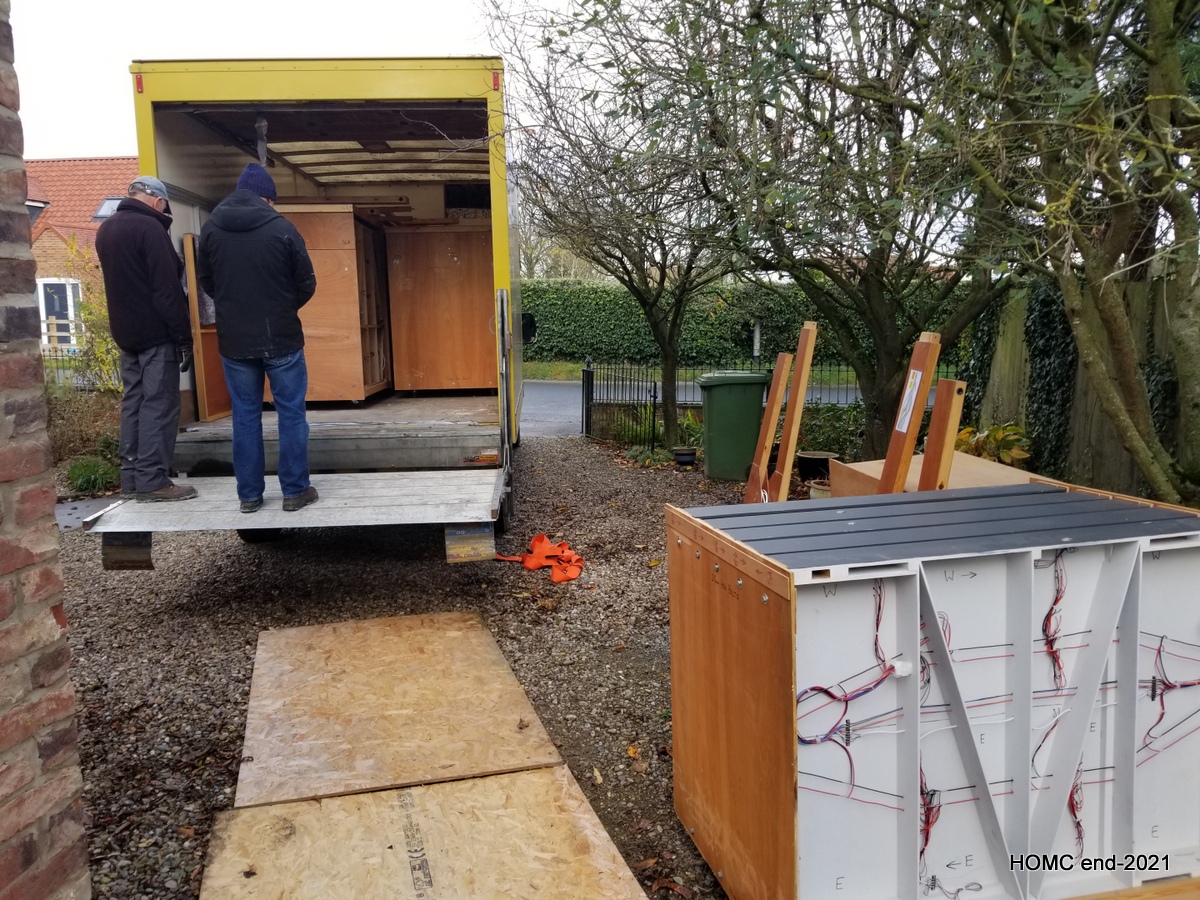
After a few months in a farm trailer, Mauch Chunk has finally been moved to its new home in my converted garage. Neighbours Pete and Richard helped with the move and the layout fitted into the new rooms almost literally like a glove (as planned of course!).

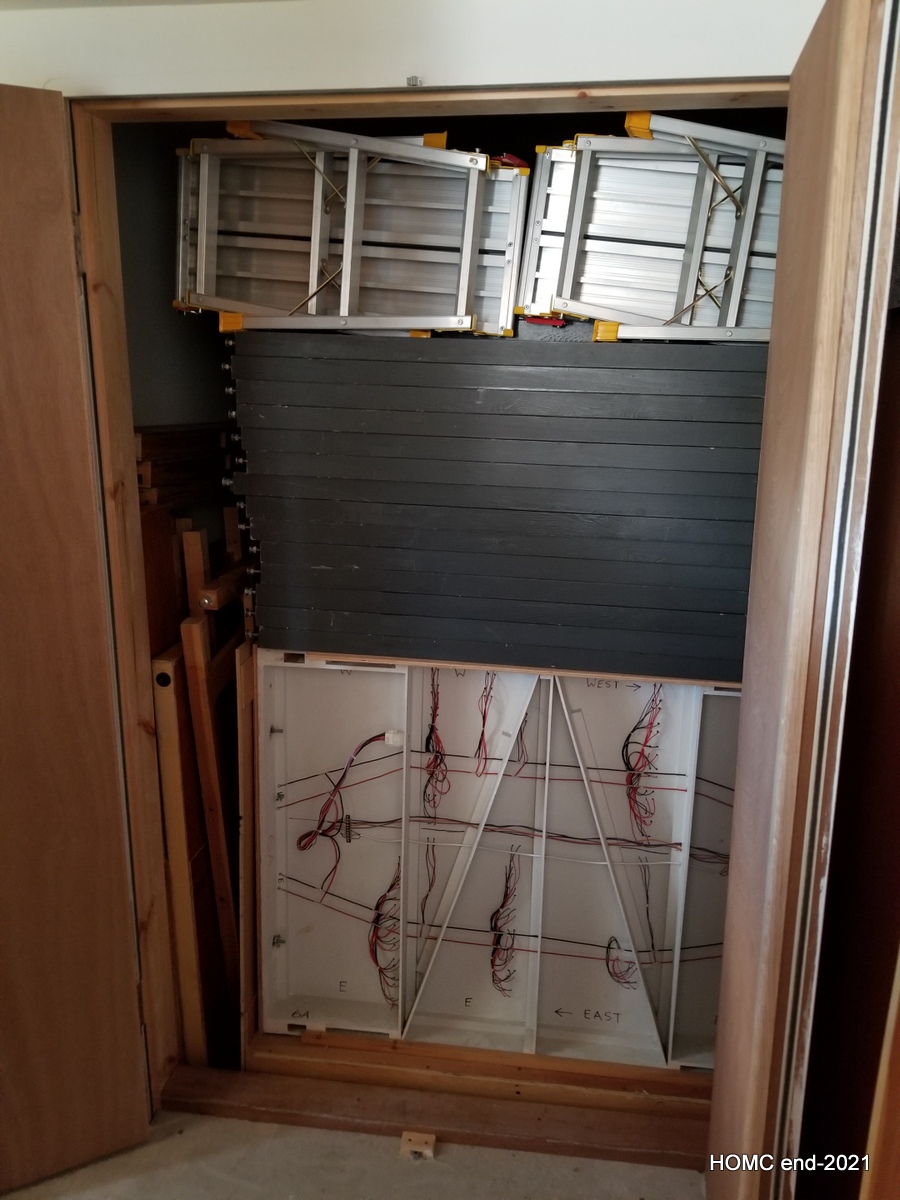
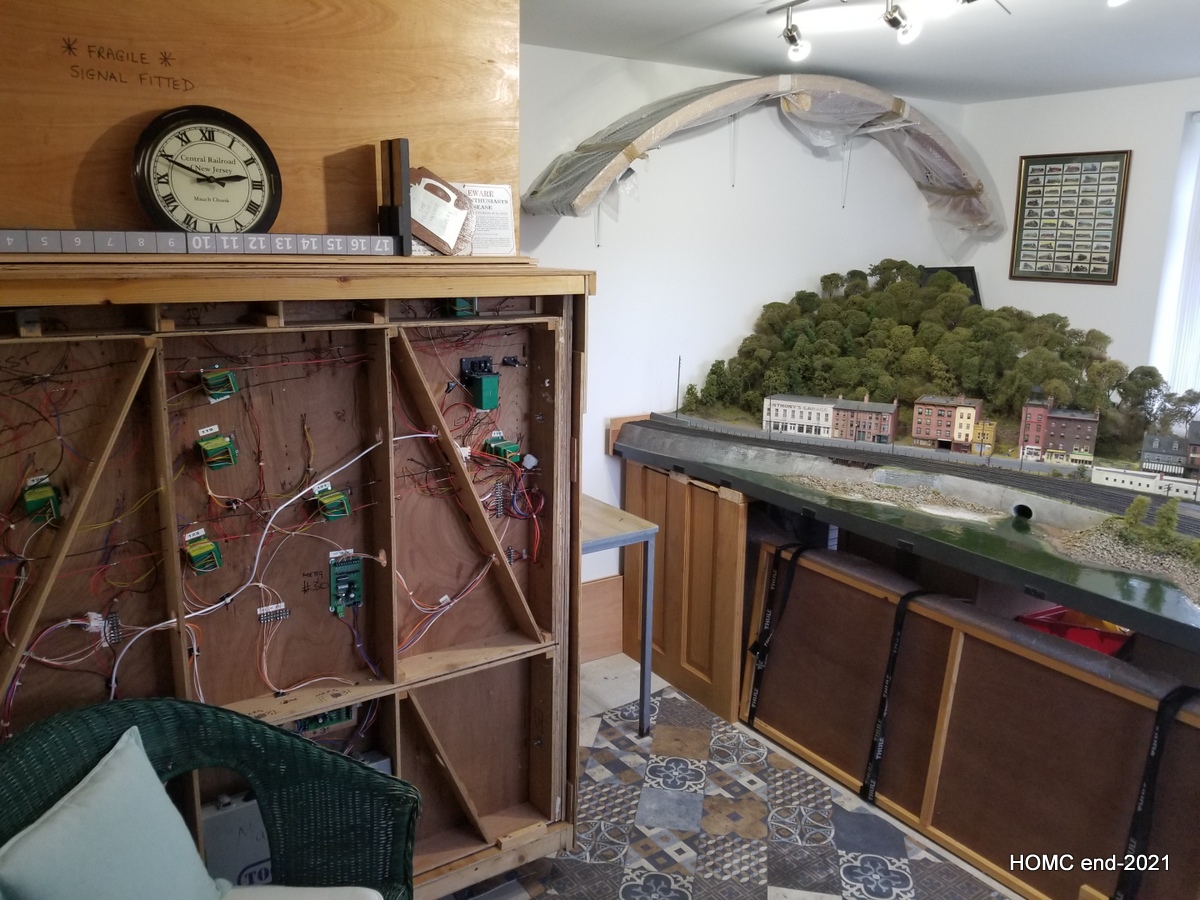
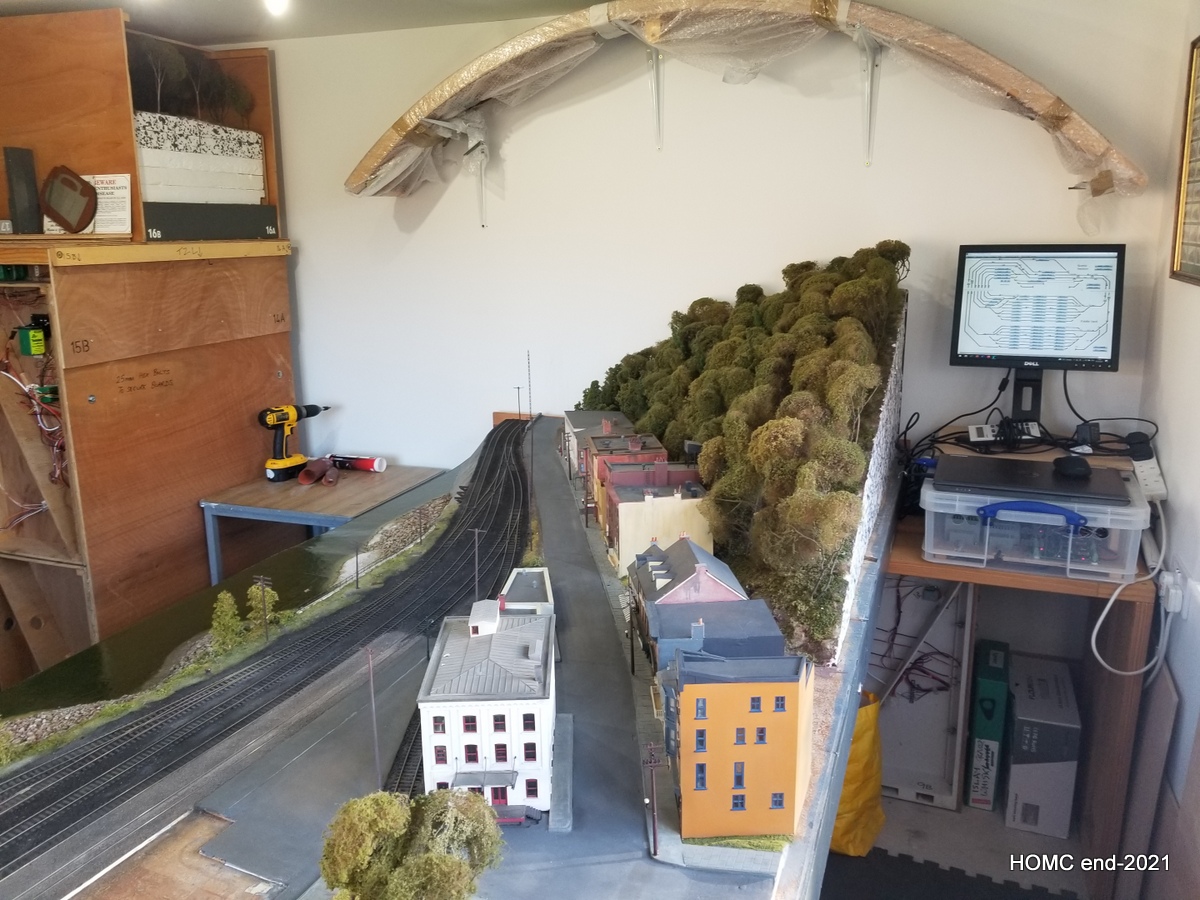
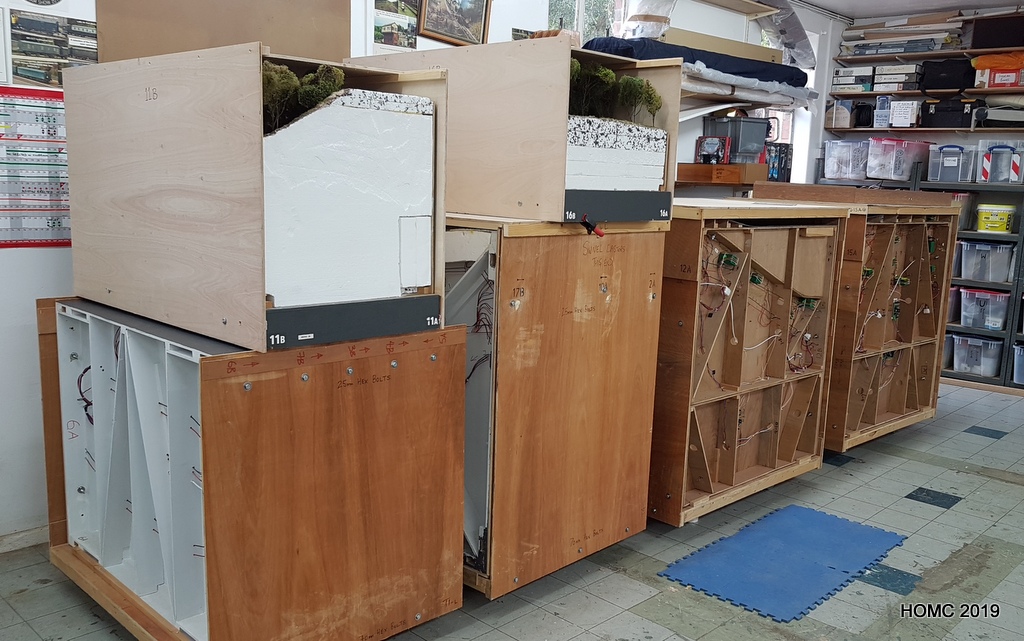
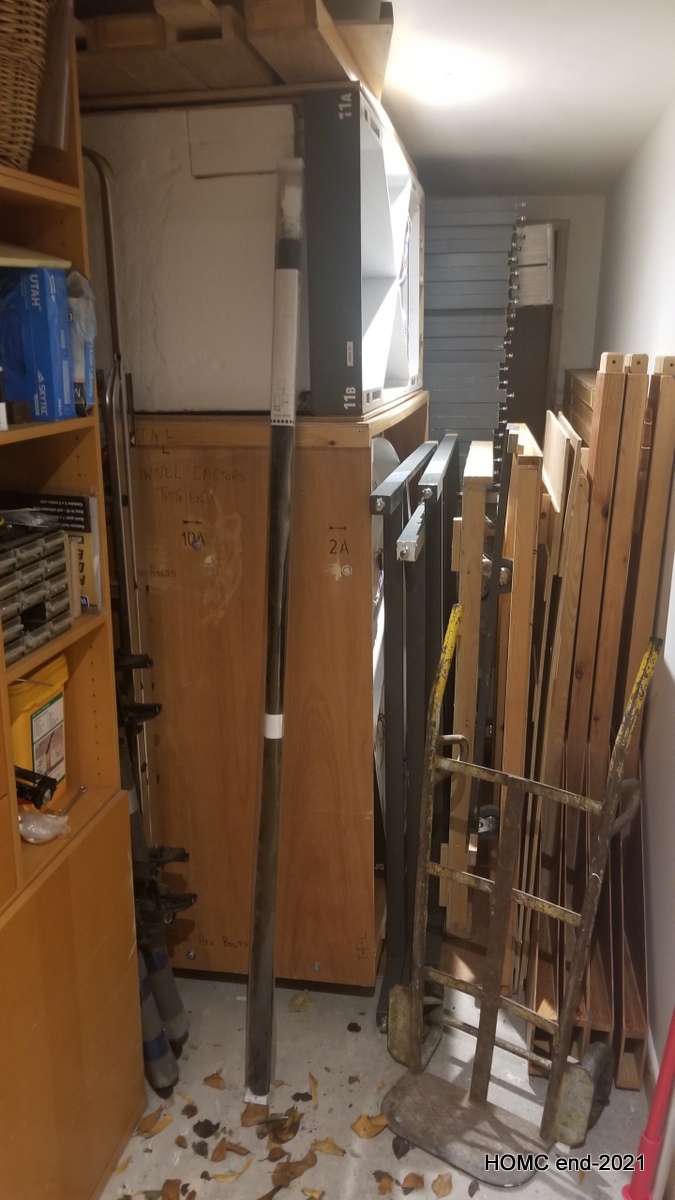
The photos show the farm trailer, the move (in a Luton van with tail lift), and storage of some parts in a store room and the rest in the new ‘hobby room’.

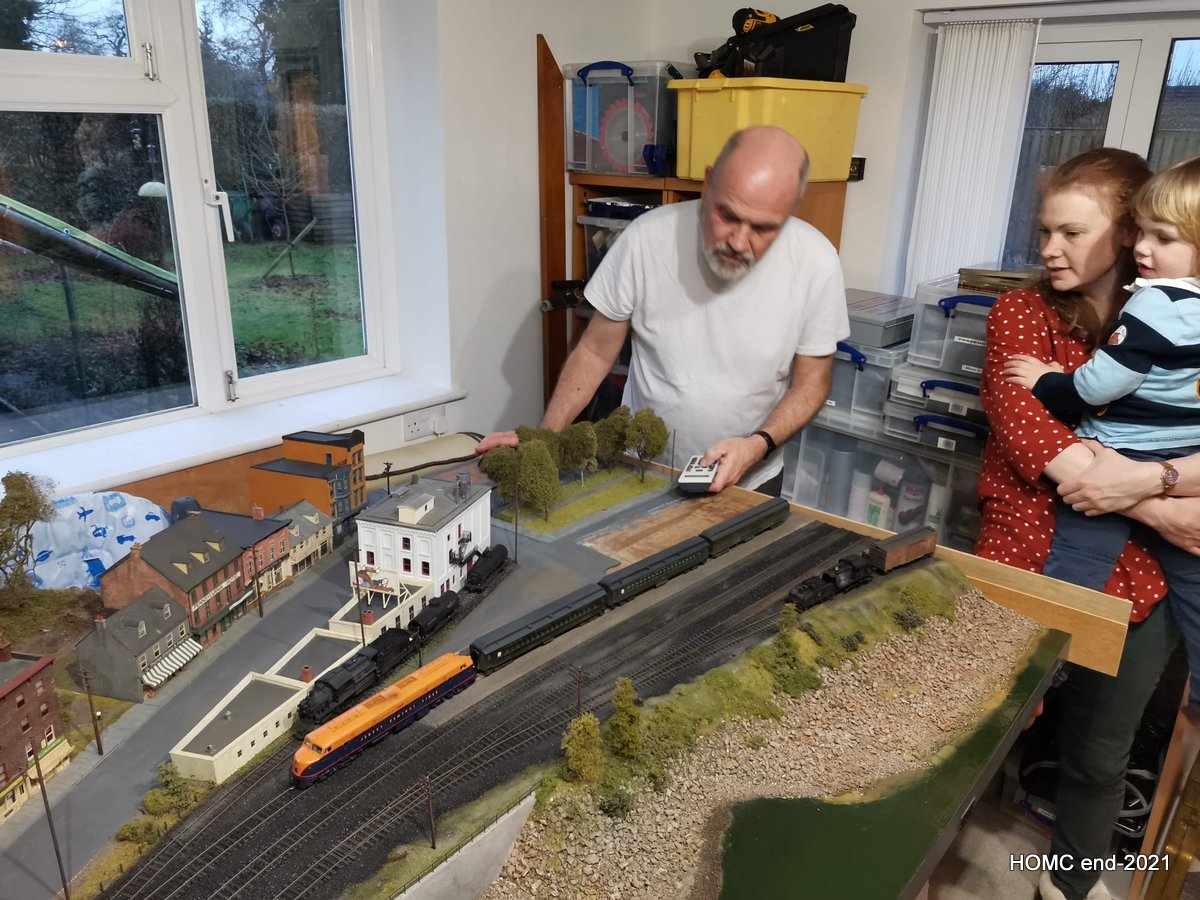
We have been able to erect two scenic boards that can be worked on. The electrics are all connected and points can be changed with the Big Bear program and trains can be run (a little). The last photo shows my grandson directing me which trains to move where!

Once the storage boxes have been re-organised, scenic repairs and improvements will be started.

The (final?) Big Move

Yesterday – 7th August 2021 – Mauch Chunk was moved from the Barrowmore clubrooms and brought over the Pennines to Yorkshire. This effectively ends five years with the Barrowmore club during which Mauch Chunk has been transformed with a new fiddle yard, mostly new baseboards, new fascias, lighting, wiring, control systems and almost completely new track – all to the highest standard.

It was also been extended to 28ft x 12ft and is now quite formidable! Indeed, it won the the best visitors layout award in Glasgow, the best non-British layout award at Warley and an invitation to retire it to the National Model Railway Museum!

It will be worked on at my home in the East Riding, where my wife and I moved 3 years ago, but it is currently stored in a large trailer on a local farm.

Members of the East Riding Finescale Modellers model railway group are planning to help with further detailing and scenic enhancements as well as maintaining the rolling stock.

Etching, Soldering and woodwork

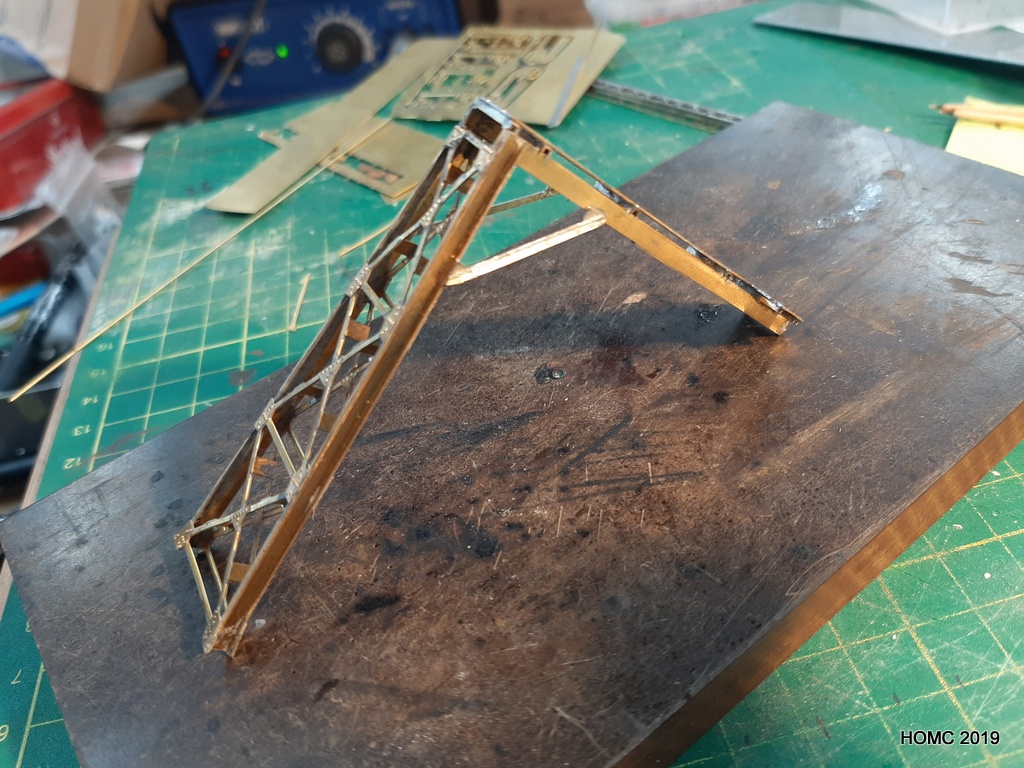
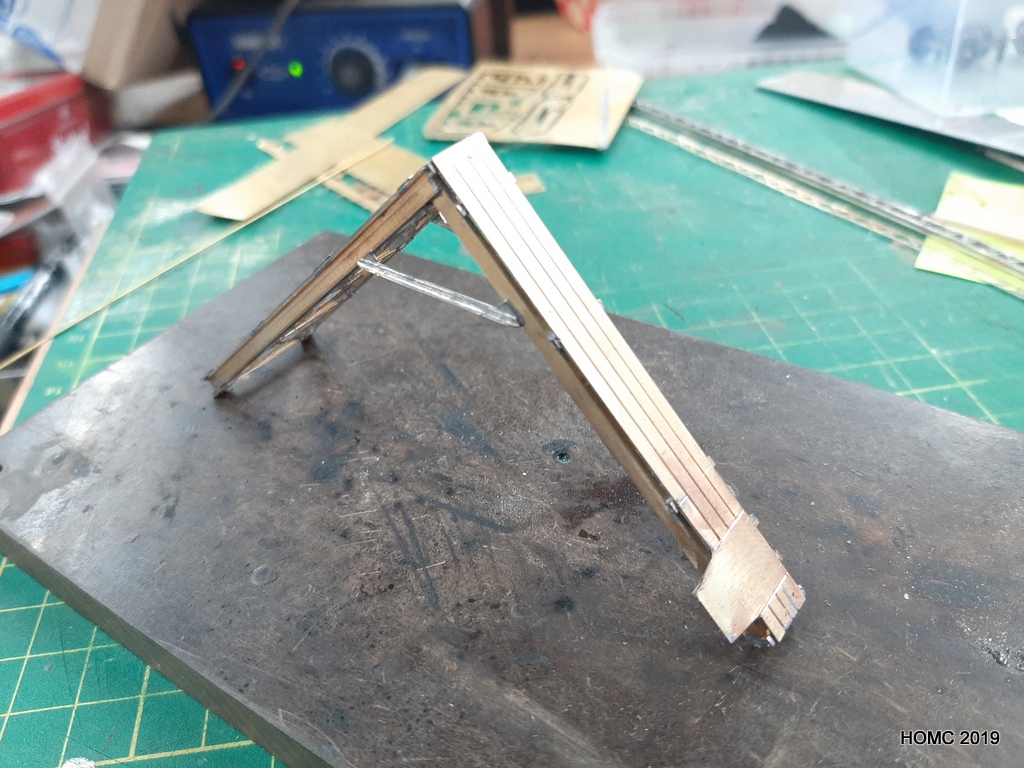
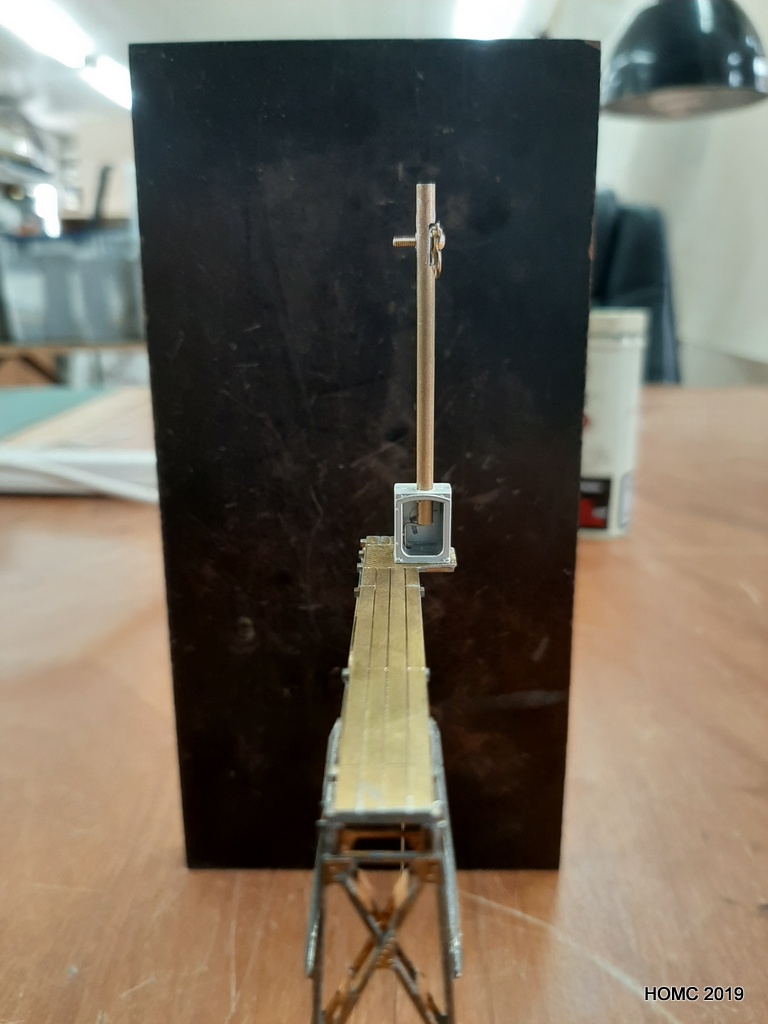
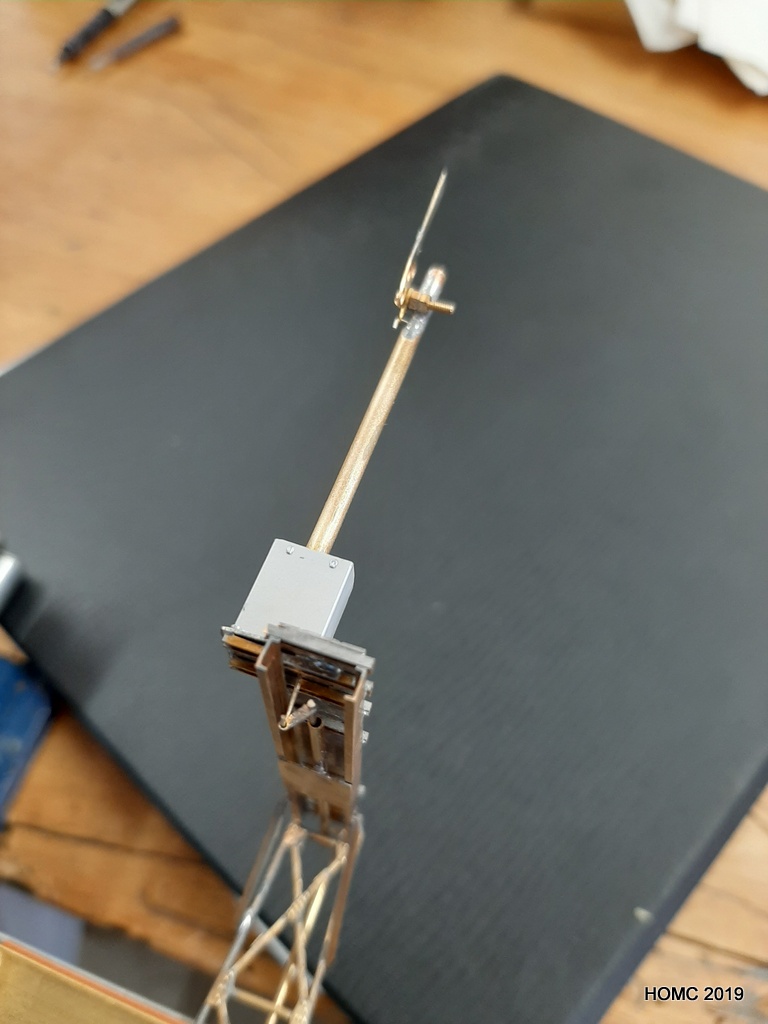
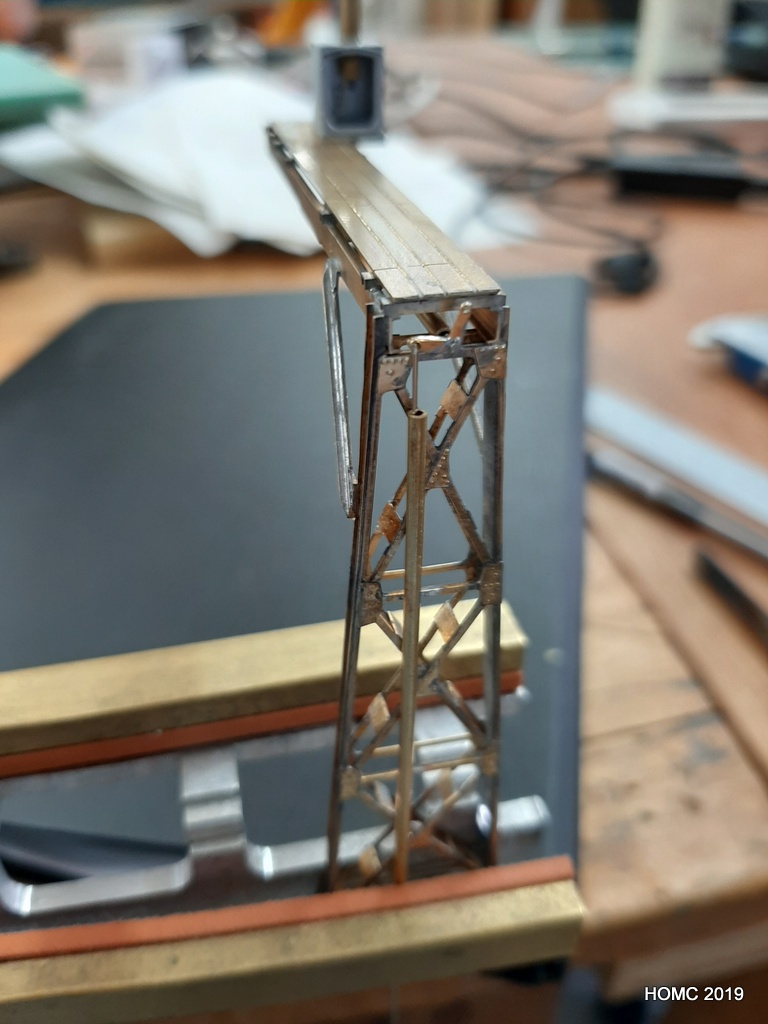
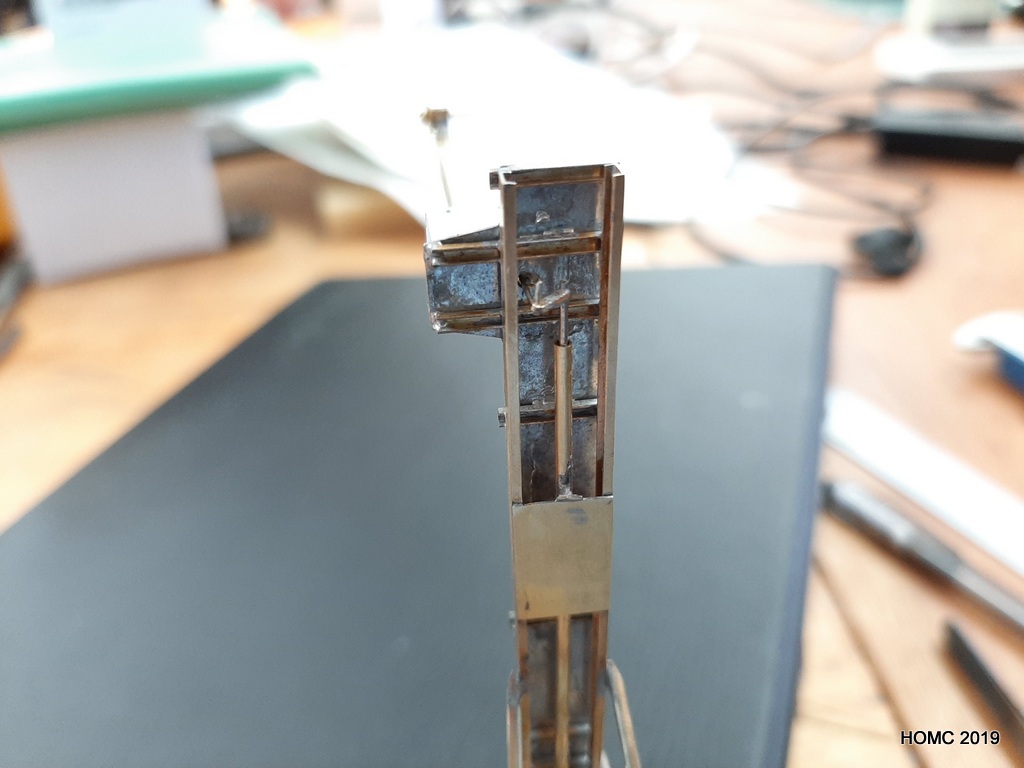
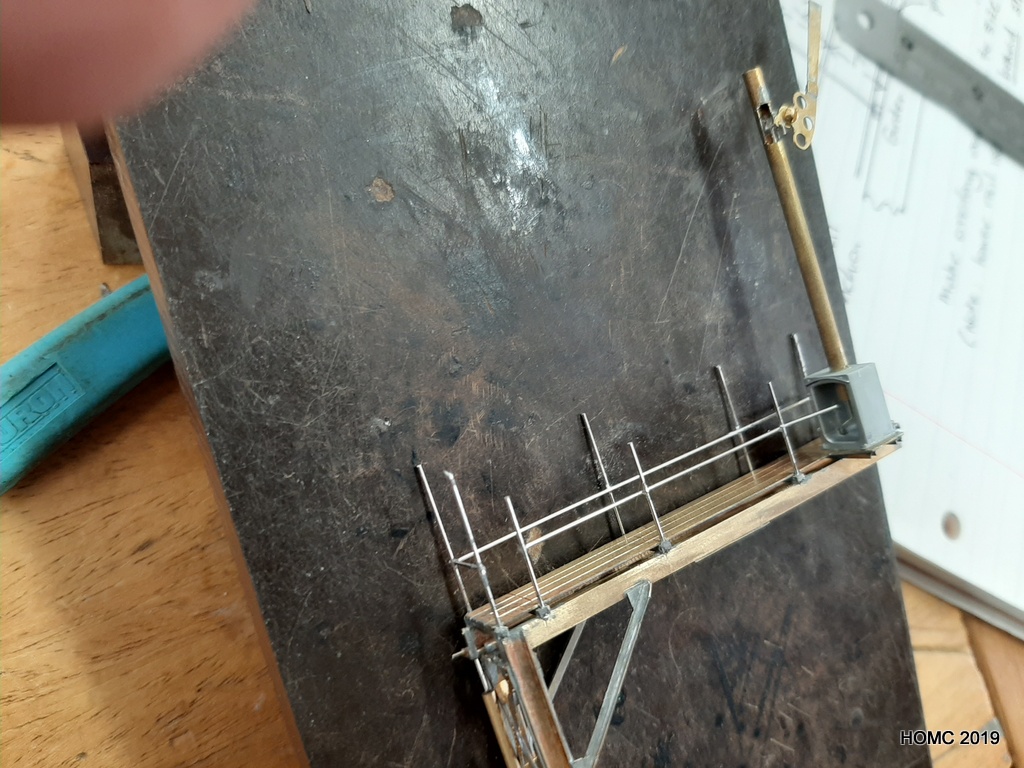
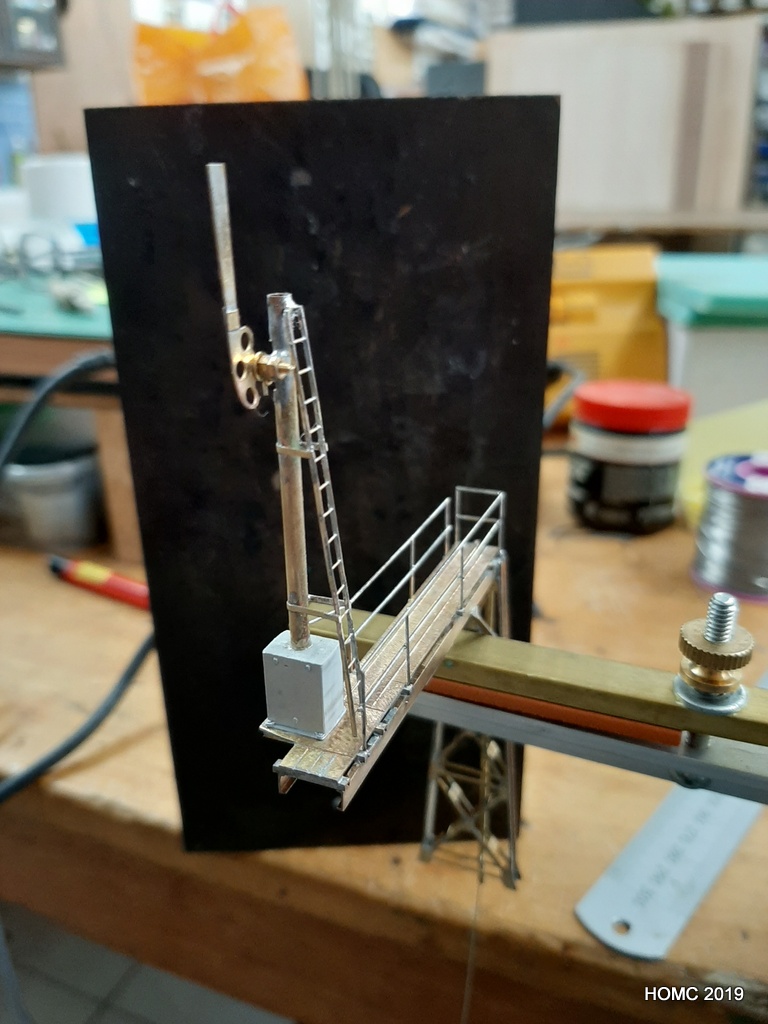
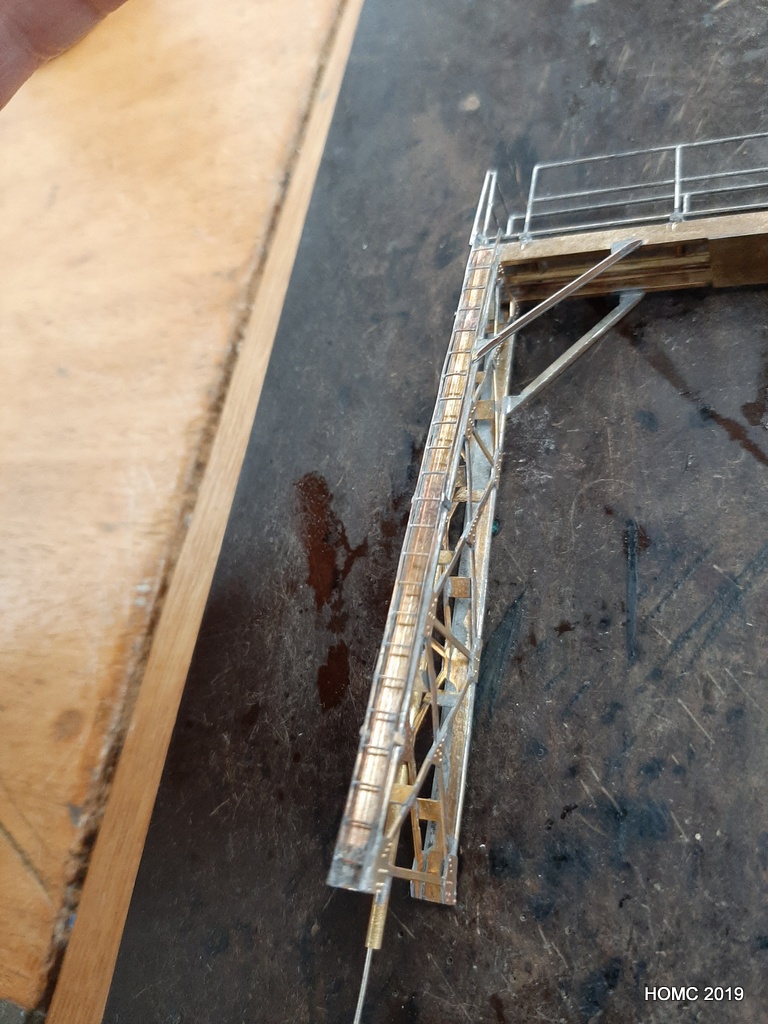
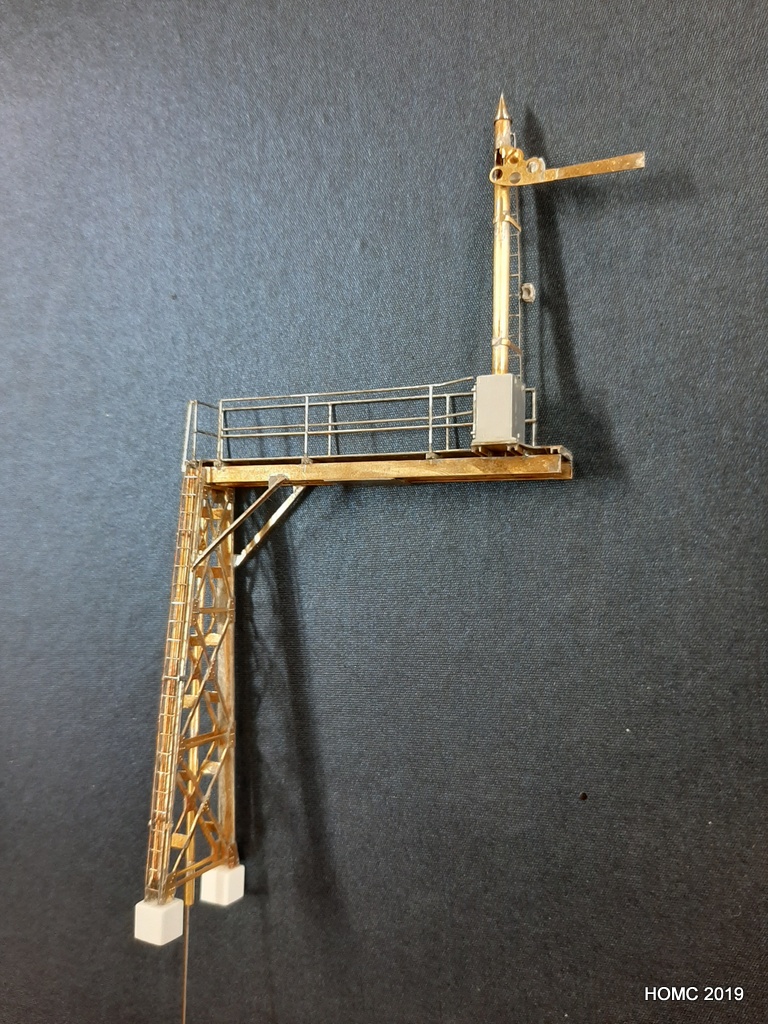
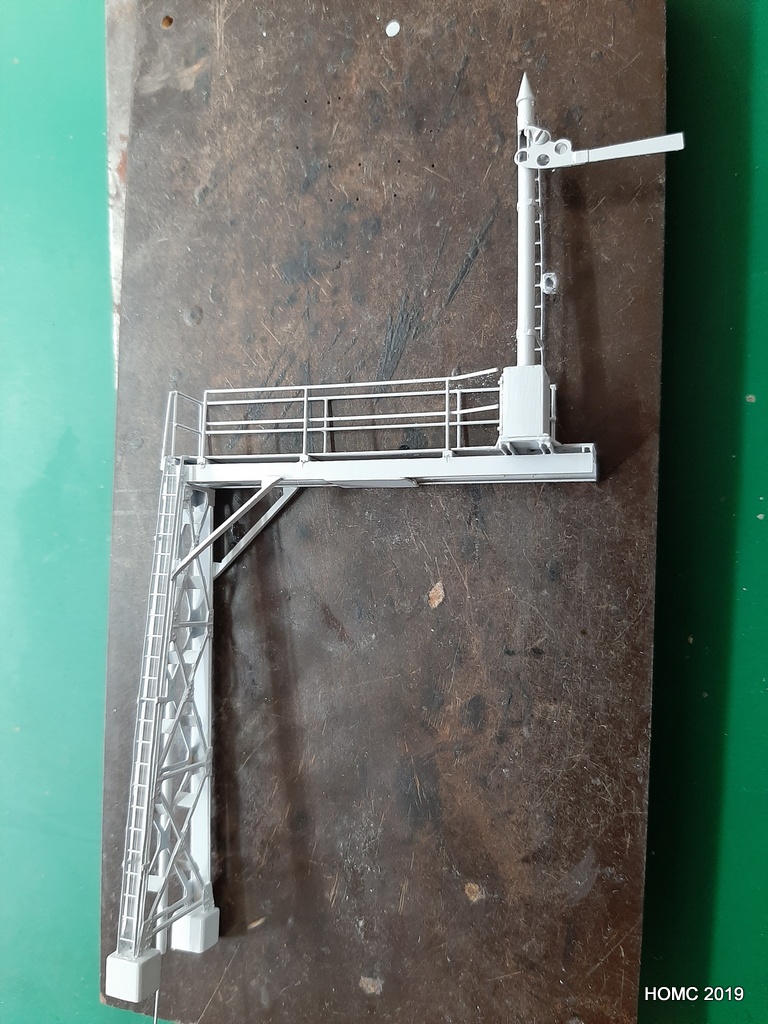
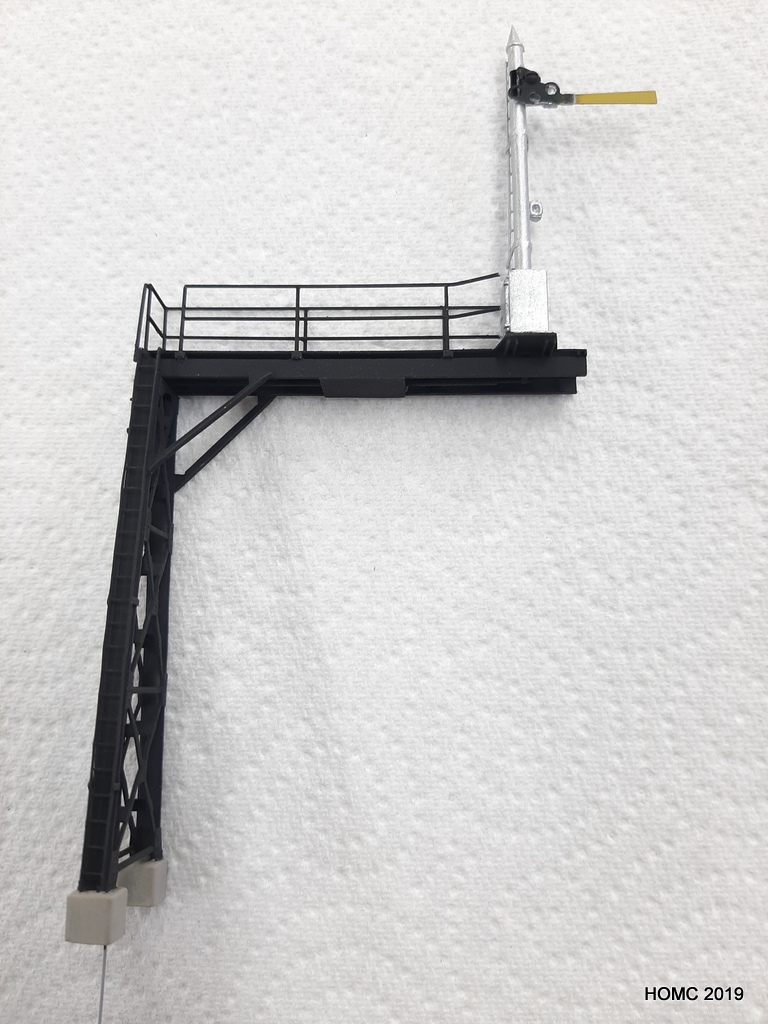
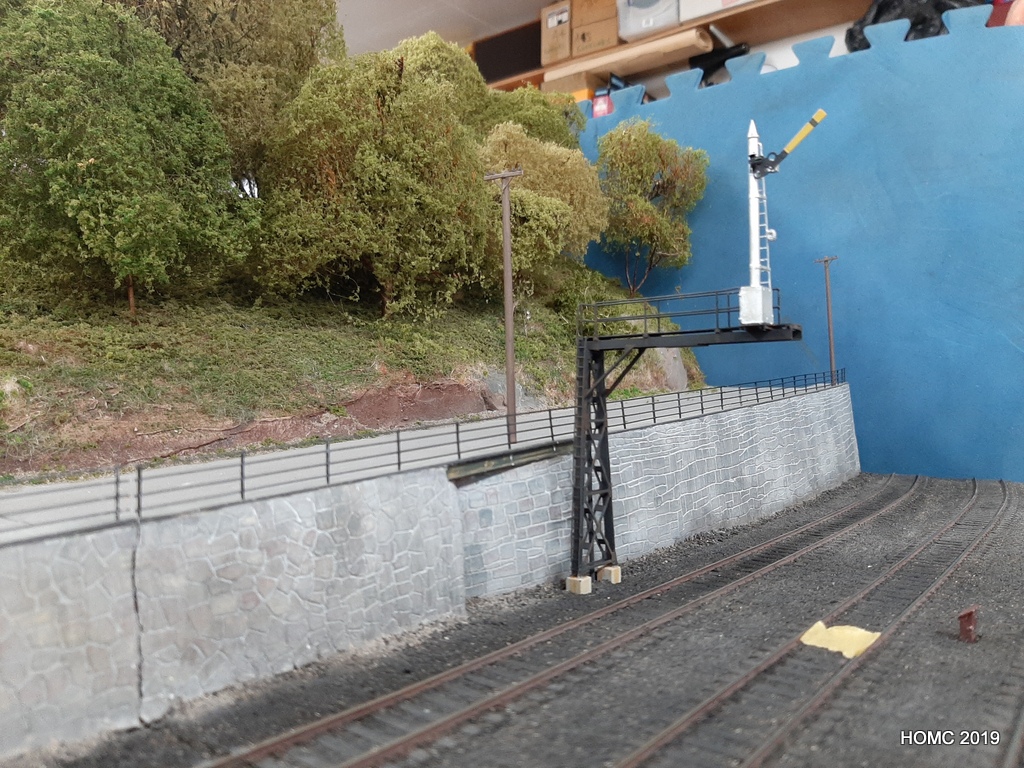
We’ve been doing more etches and soldering to make the signal gantry that stands against the back wall, controlling use of the locomotive servicing track that runs against that wall all the way through to the engine house, refueling facility and turntable.

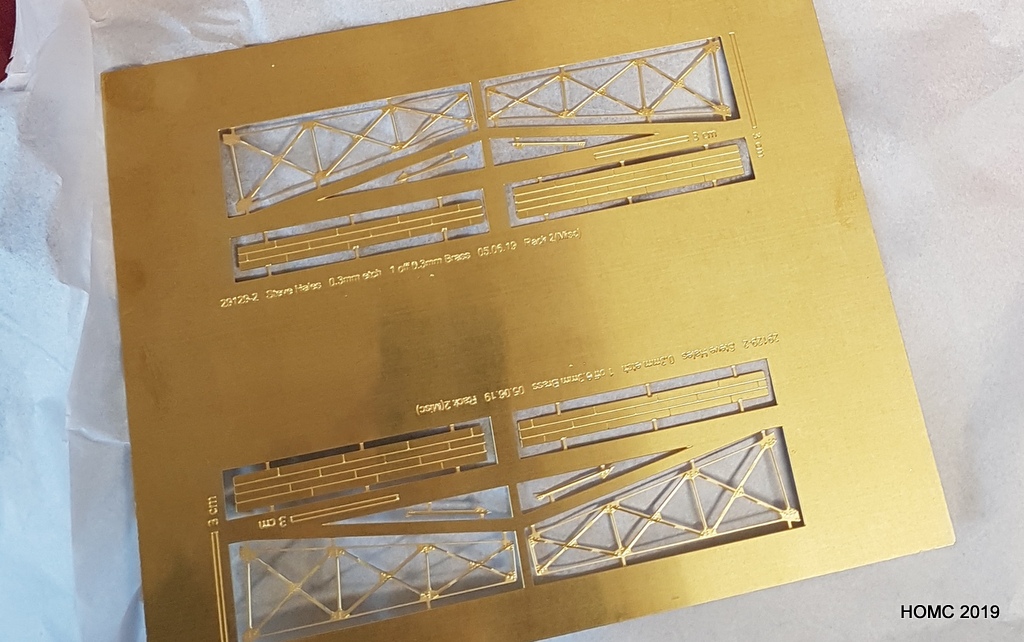
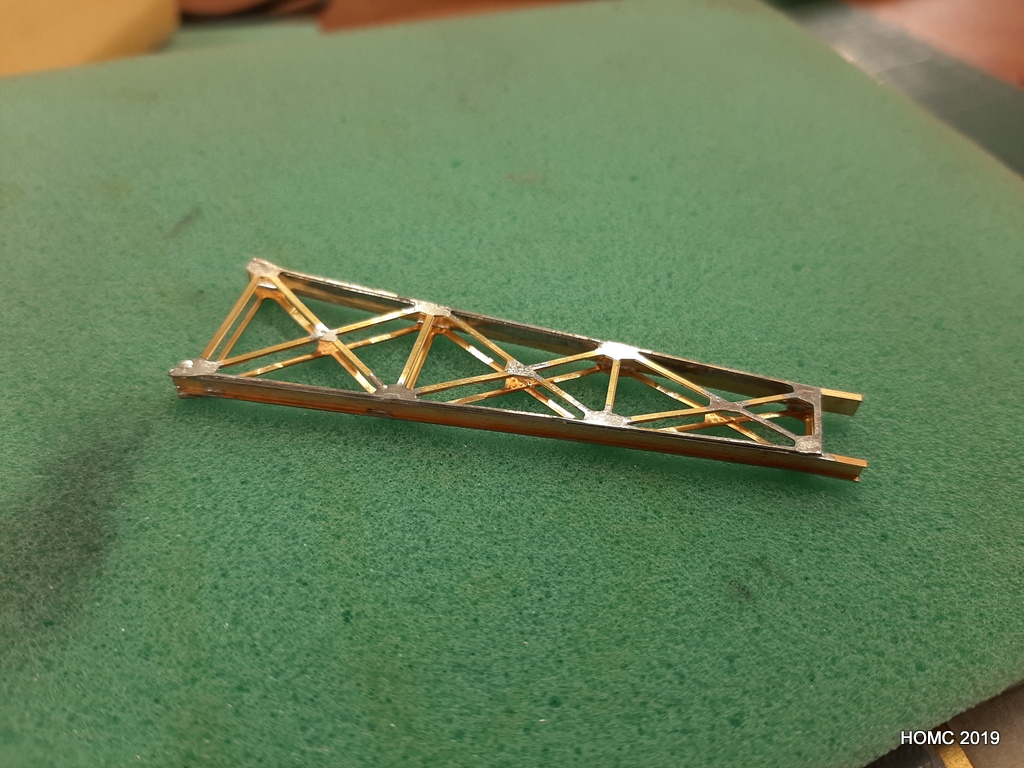
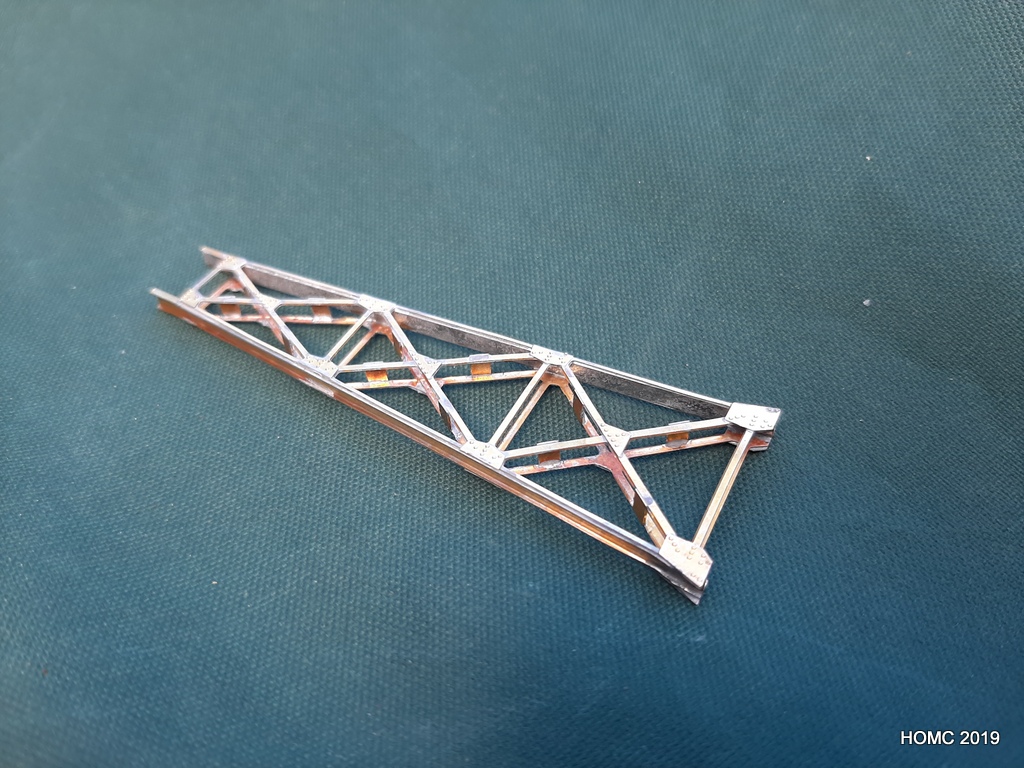
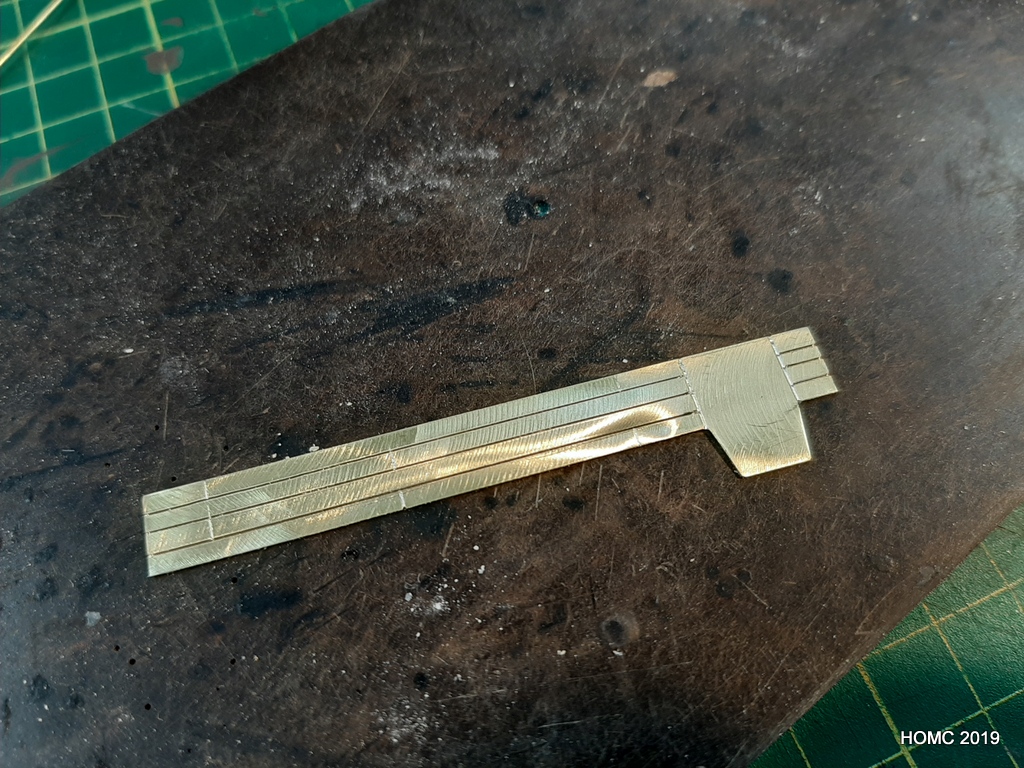
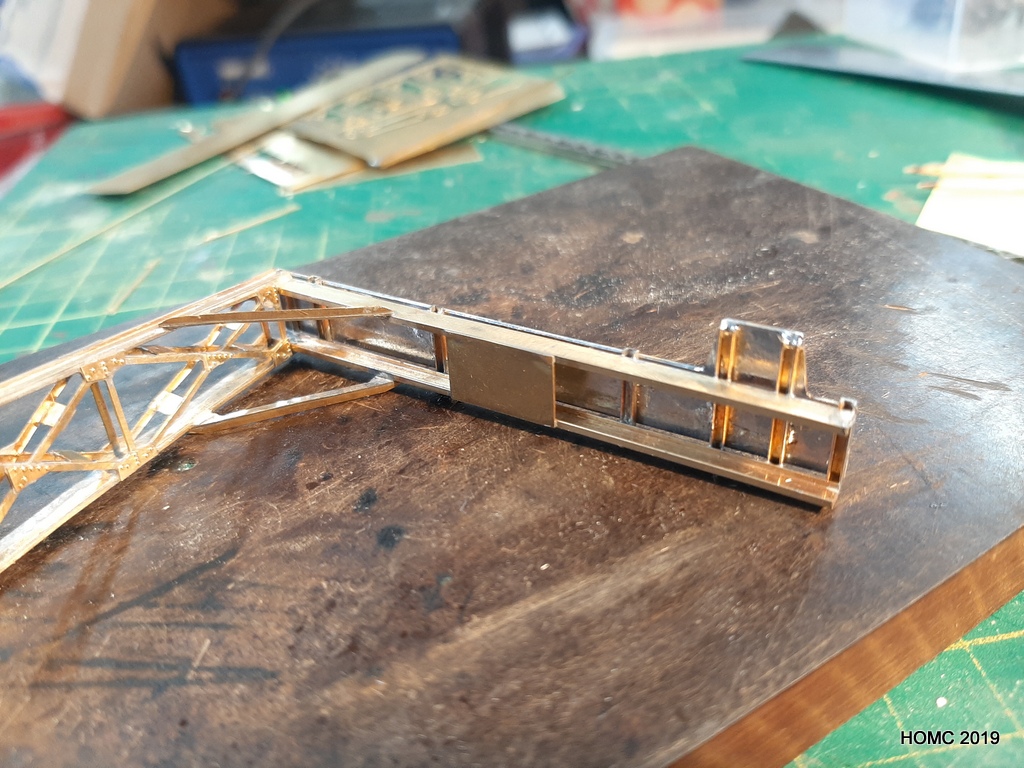
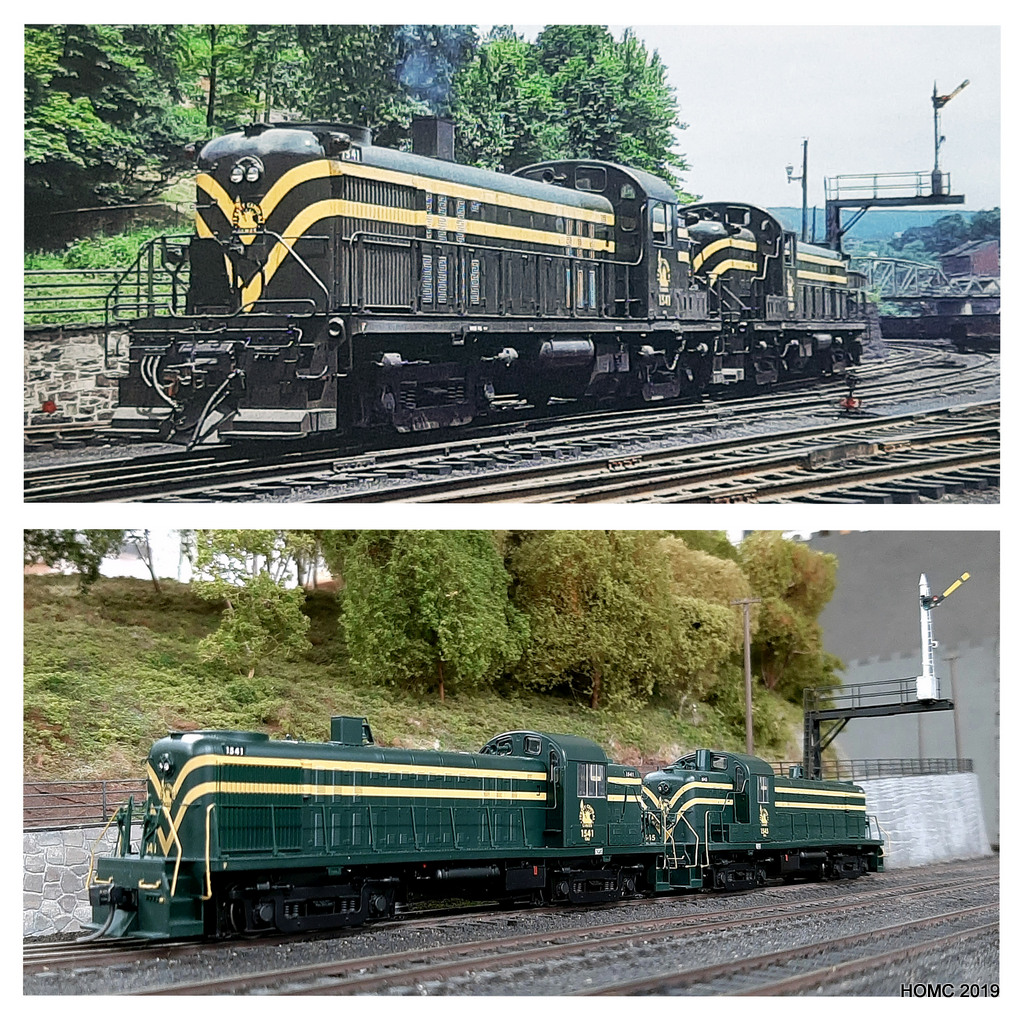
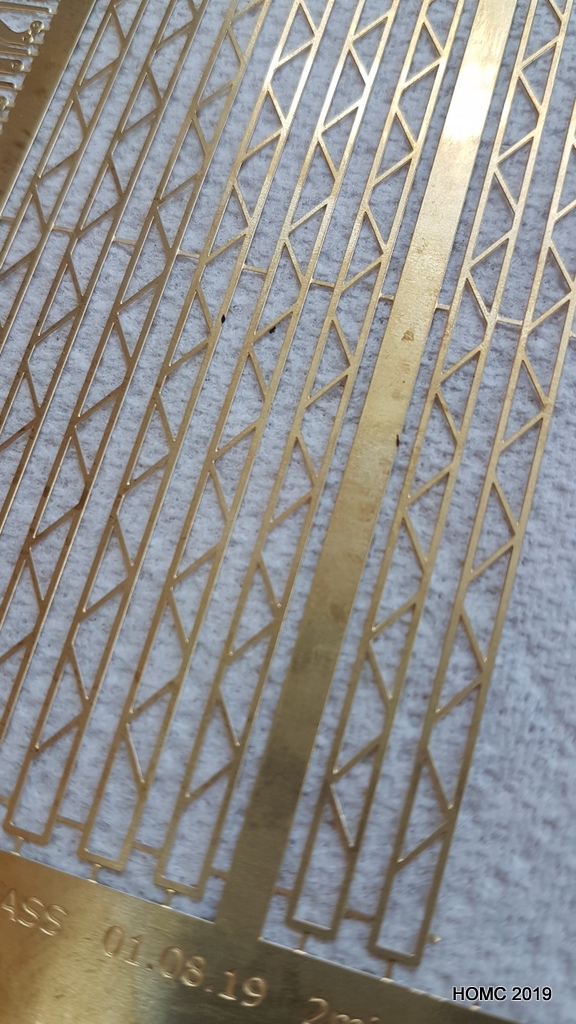
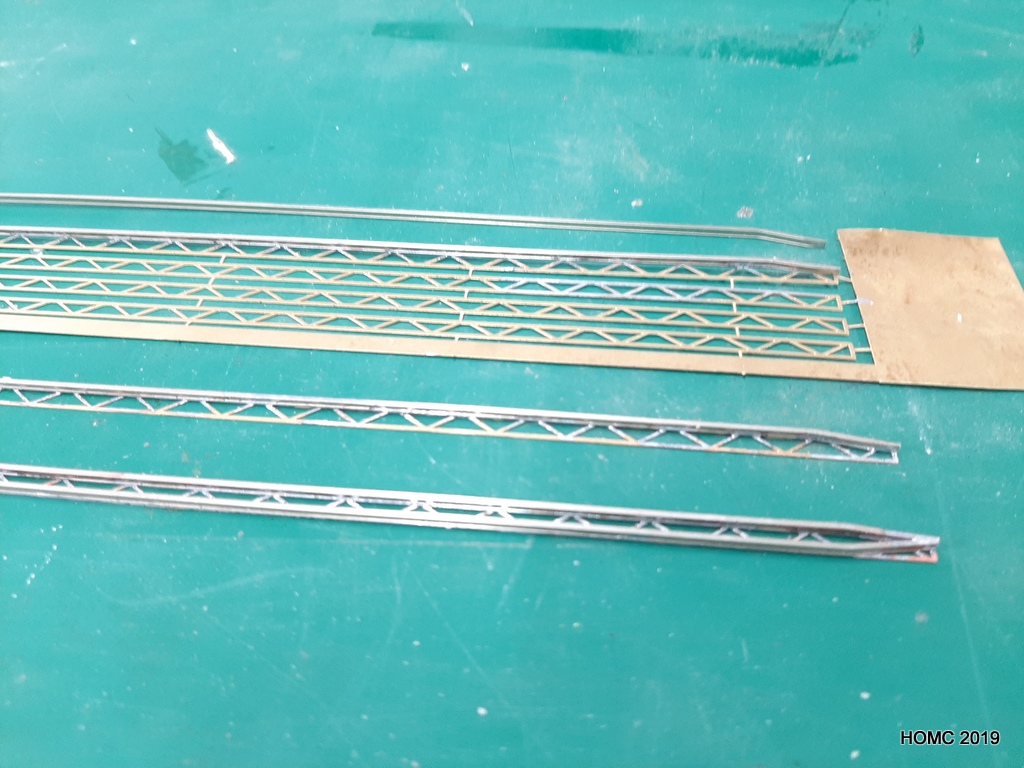
Photos of this gantry were not clear about all the features so similar gantries were identified in Joel Rosenbaum and Tom Gallo’s pdf book: Jersey Central Lines Official Photography. Steve drew the stanchion artwork and PPD then etched these for us on 0.7mm brass. Richard then used these as the basis for the gantry scratchbuilding most of the other components. Finally the arm was actuated with a servo controlled by Tam Valley Depot’s dual 3-way Servo DCC accessory decoder. This is a new approach for us and means that we can control the signal from software (Big Bear) as well as push buttons. The build is shown here as well as the result
This is our gantry compared with the prototype shot! Prototype photo by kind permission of Morning Sun Books [taken by Charles Houser Sr, The Houser Collection from page 82 of Jersey Central Lines in Color Volume 2 by William J. Brennan].

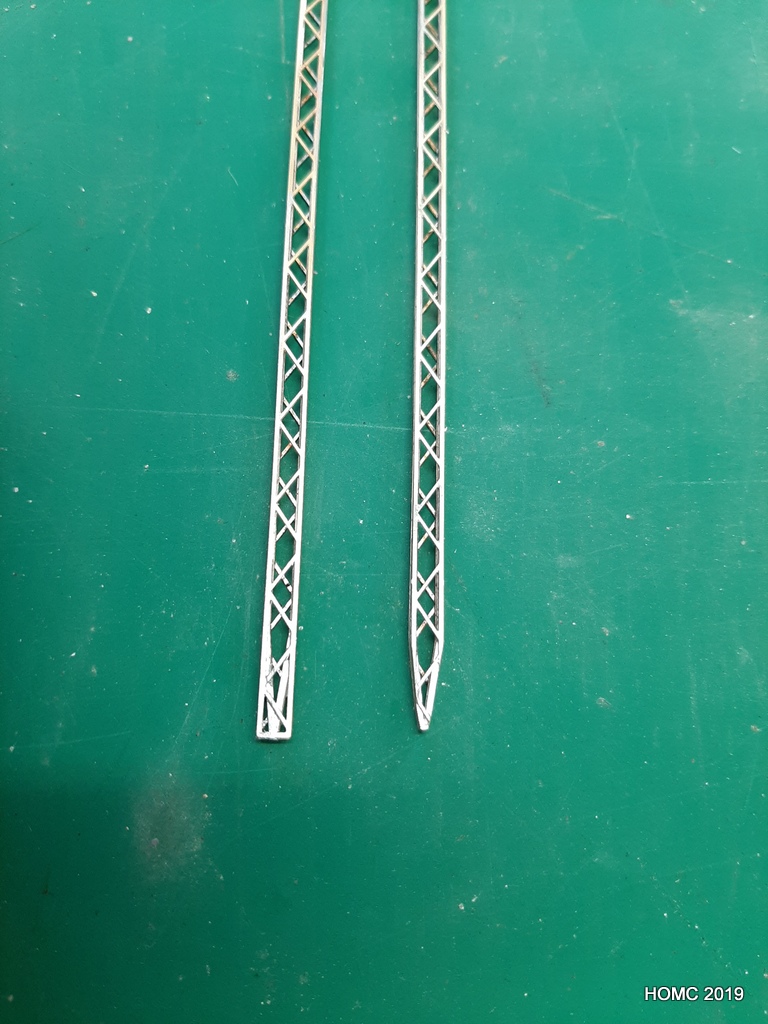
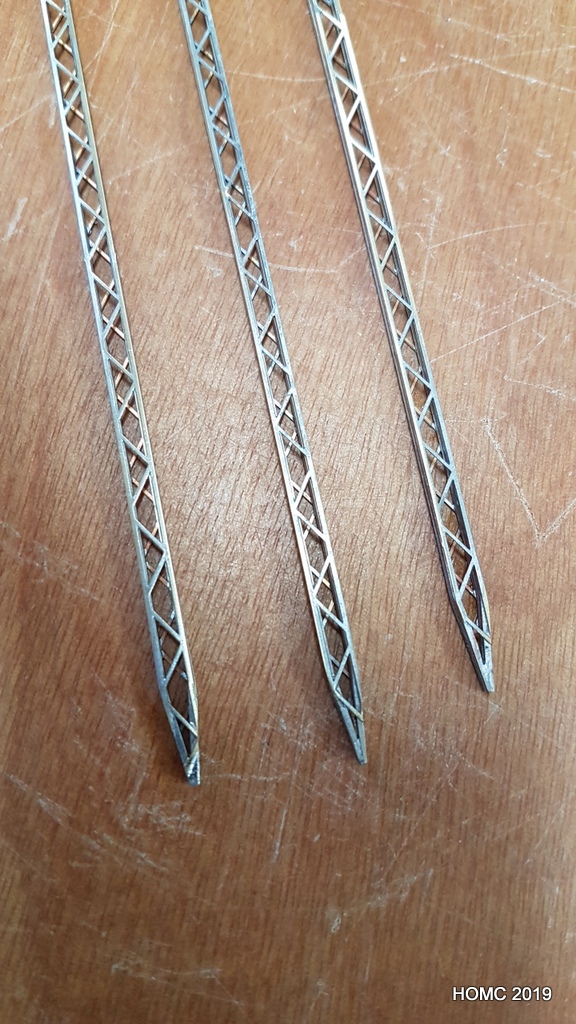
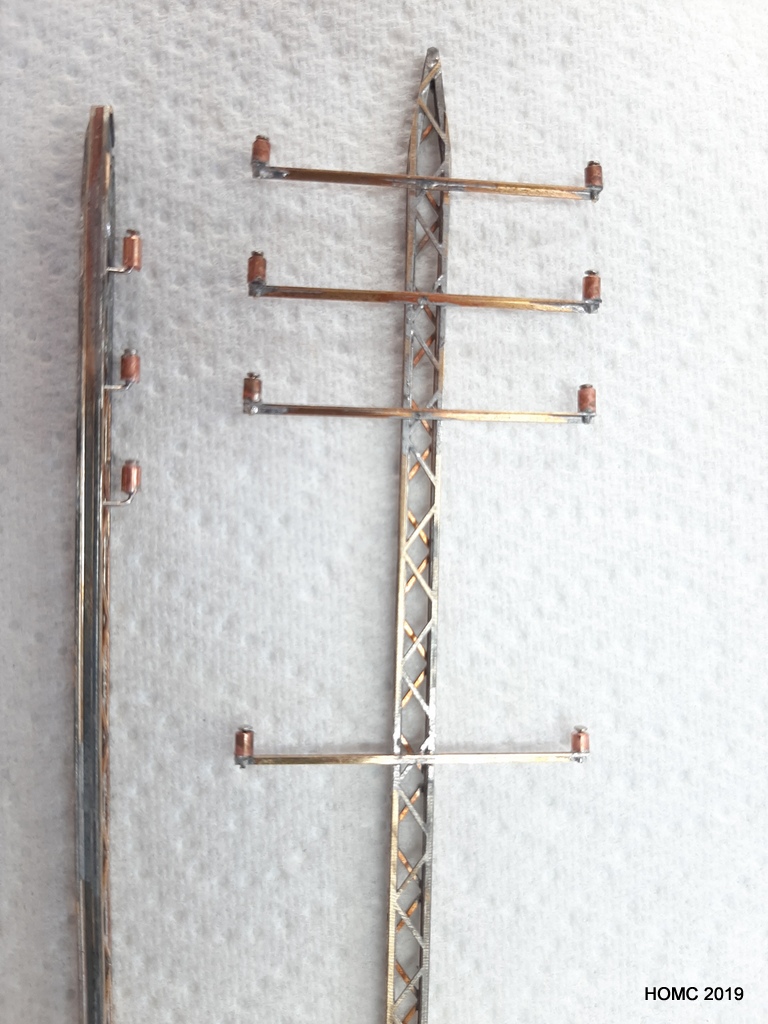
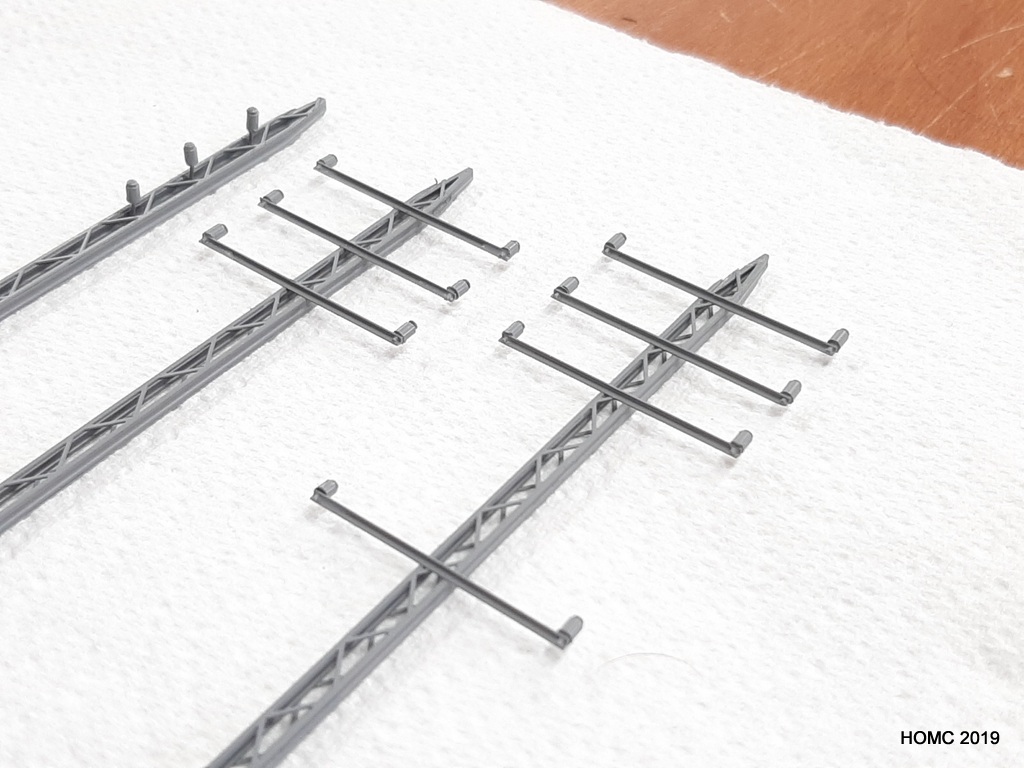
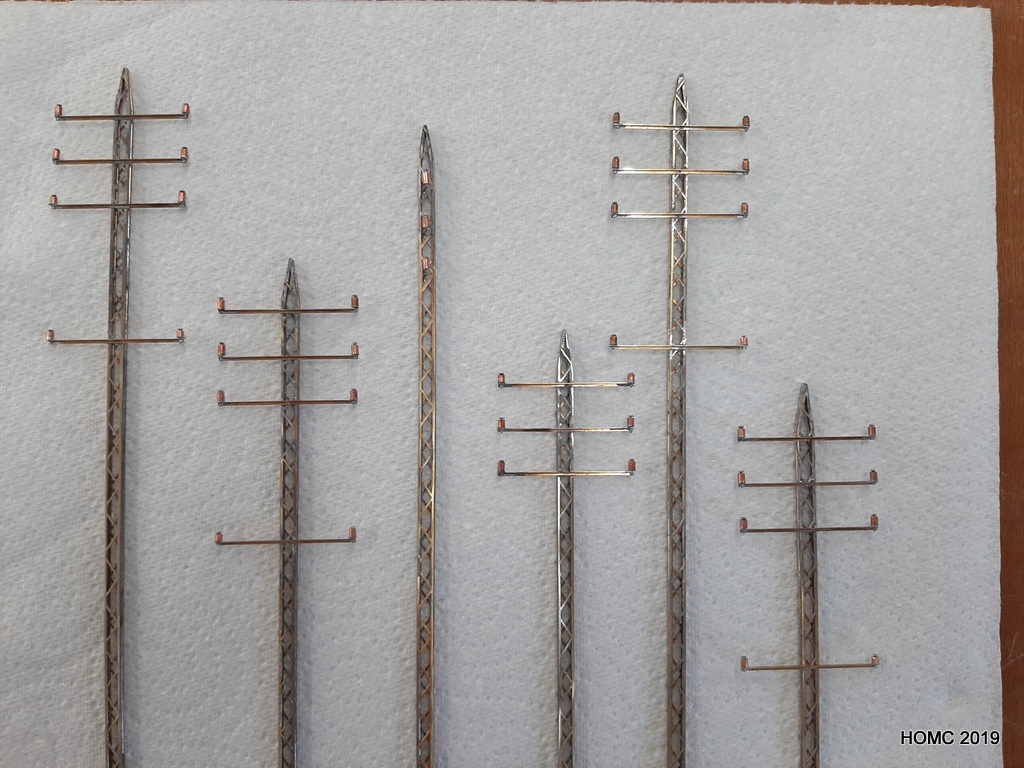
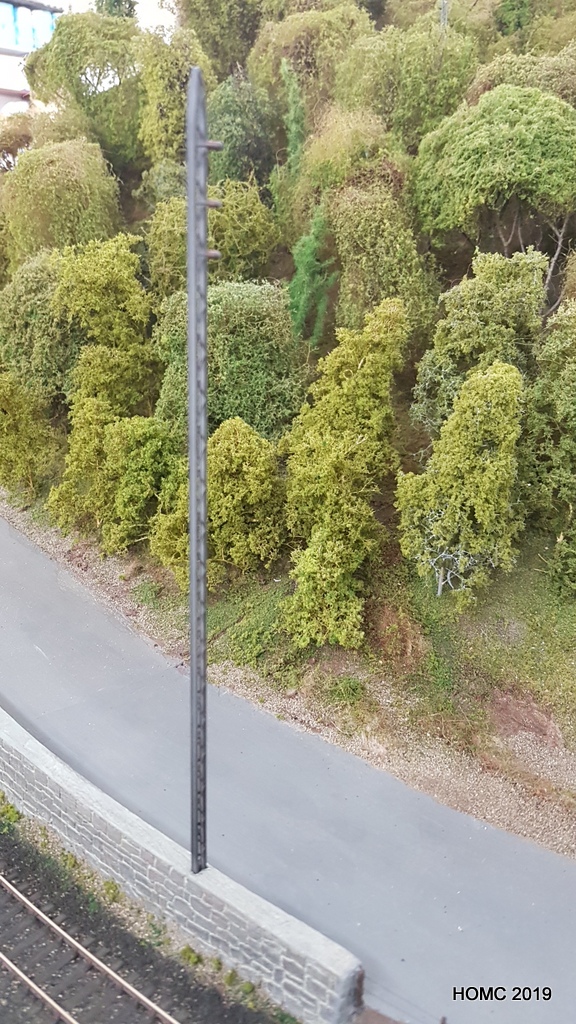
As well as this masterpiece, the hollow framework utility cable posts that can be seen in some prototype photos were drawn up by Steve, etched and then built by Richard using bullhead rail for the sides. Steve then planted them on the layout and modified a few other posts.

The trolleys get a lot of wear in transporting Mauch Chunk to exhibitions but also in supporting the other Barrowmore layout, Johnstown Road, when Mostyn is erected. We decided to strengthen the trolleys with easily removed ‘lids’ which Gavin built. This has made the trolley boxes much more rigid


More reliable operations – changes

We have started working again on Mauch Chunk since getting back from a succesful exhibition in Glasgow. We had two problems there that impacted on operations, although hopefully the public didn’t see anything substantially wrong.

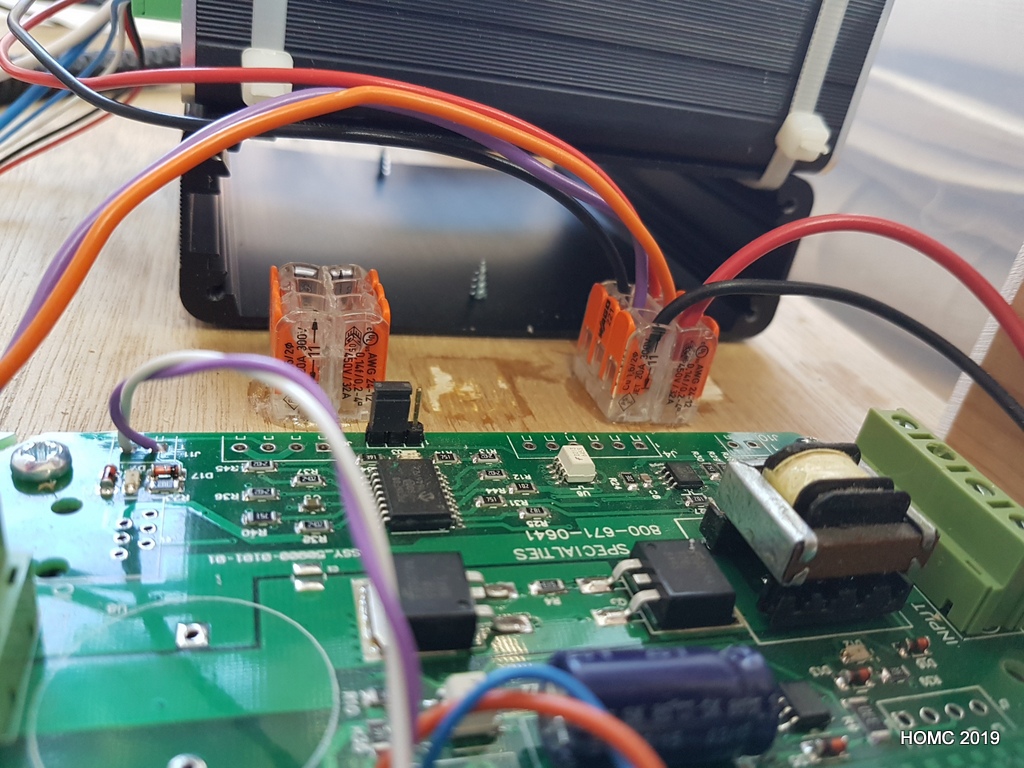
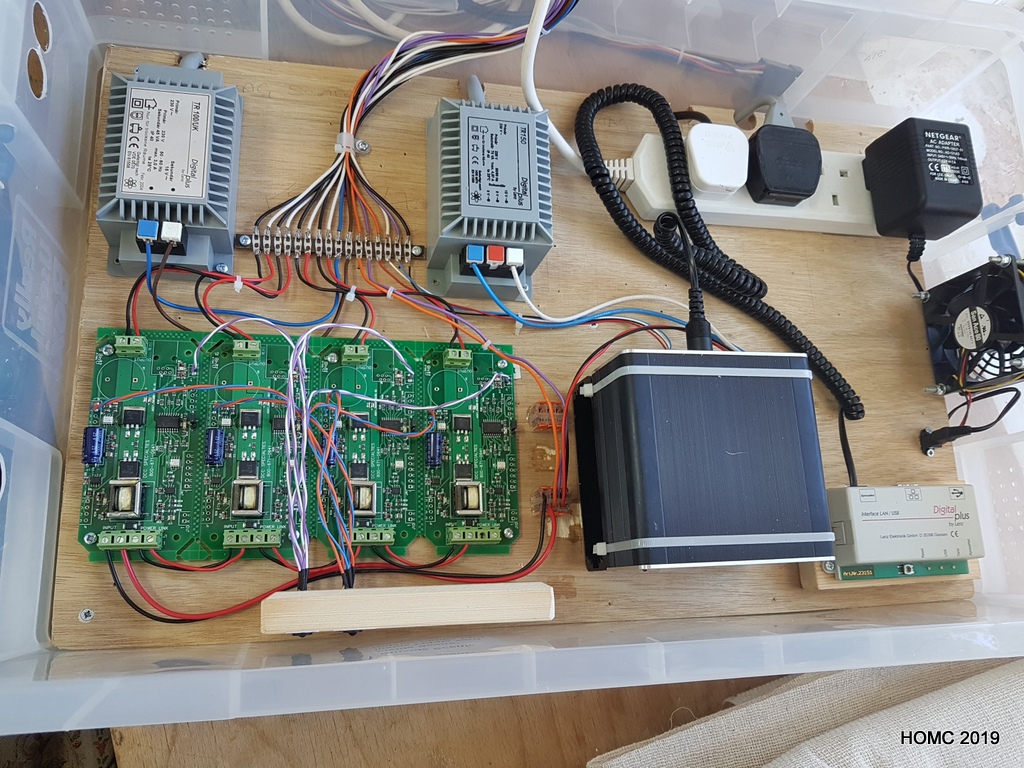
Firstly we had overheating of the Lenz LZV100 command station. This was partly because I didn’t take the lid completely off the really useful box we’re using for the control panel. However, overheating did occur again later even when the box was completely open. Clearly passive air cooling isn’t enough when we are operating so intensively for 7 – 8h periods.

To remedy this, Gavin has put a fan in one end of the box, holes in the other and reorganised the interior to allow a good airflow. The Lenz LZV100 is now also mounted on a hollow support to allow airflow beneath as well. It should work nicely and will allow us to leave the lid on next time!

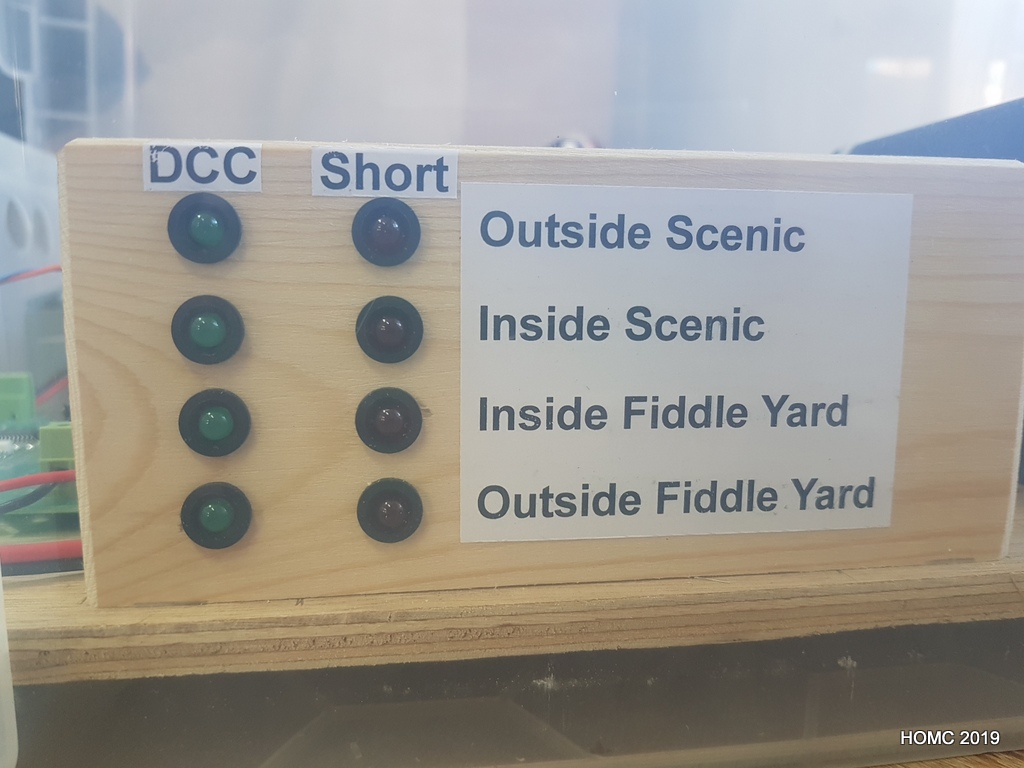
To put the icing on the cake he (and Dave Faulkner) have also wired the block protector boards to LEDs that display when a short is occuring – this will make it much quicker to detect problems.

Secondly, we had problems with the Peco point motors (in the staging yard) misbehaving. This is likely to be due to poory alignment/positioning which has occured as a result of heavy use and the way that they operate – with a thud in each direction.

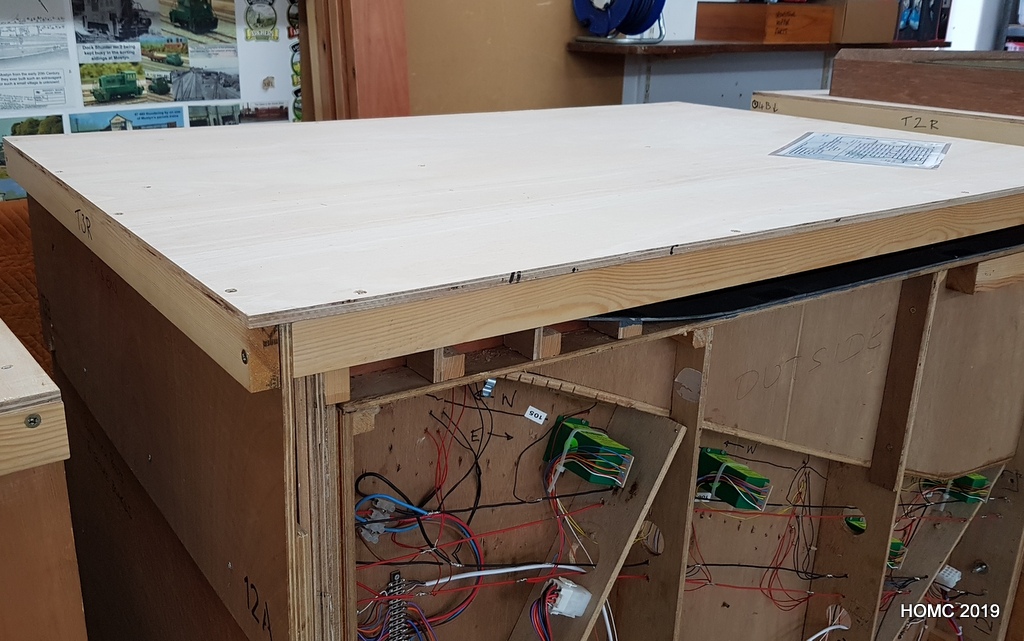
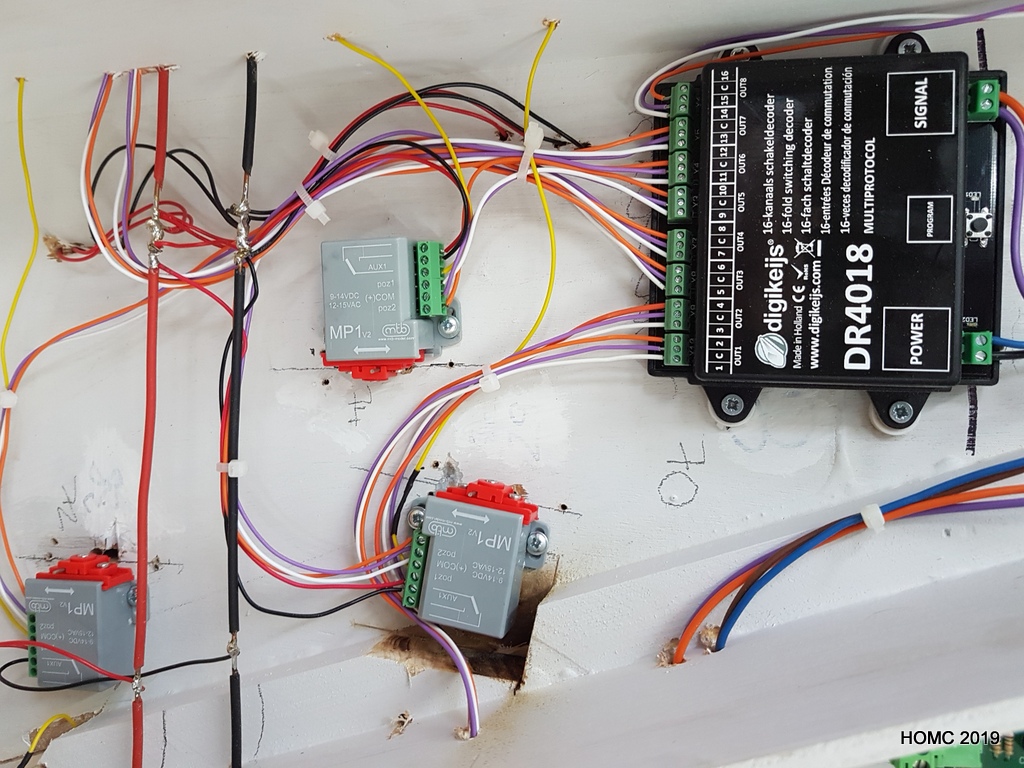
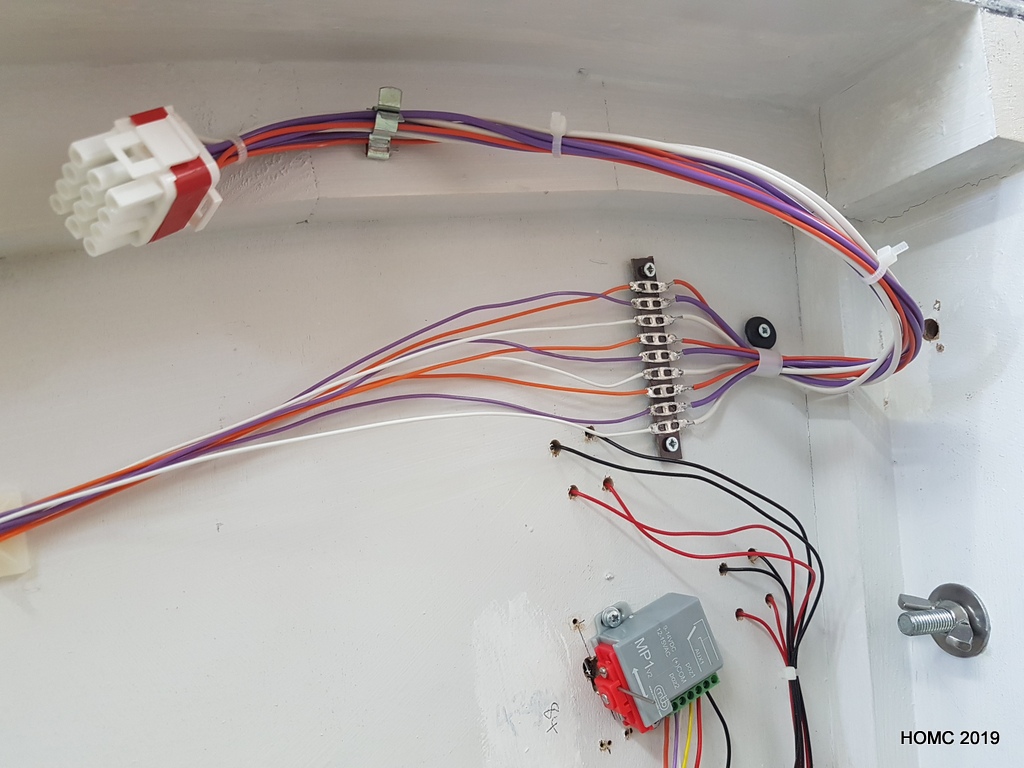
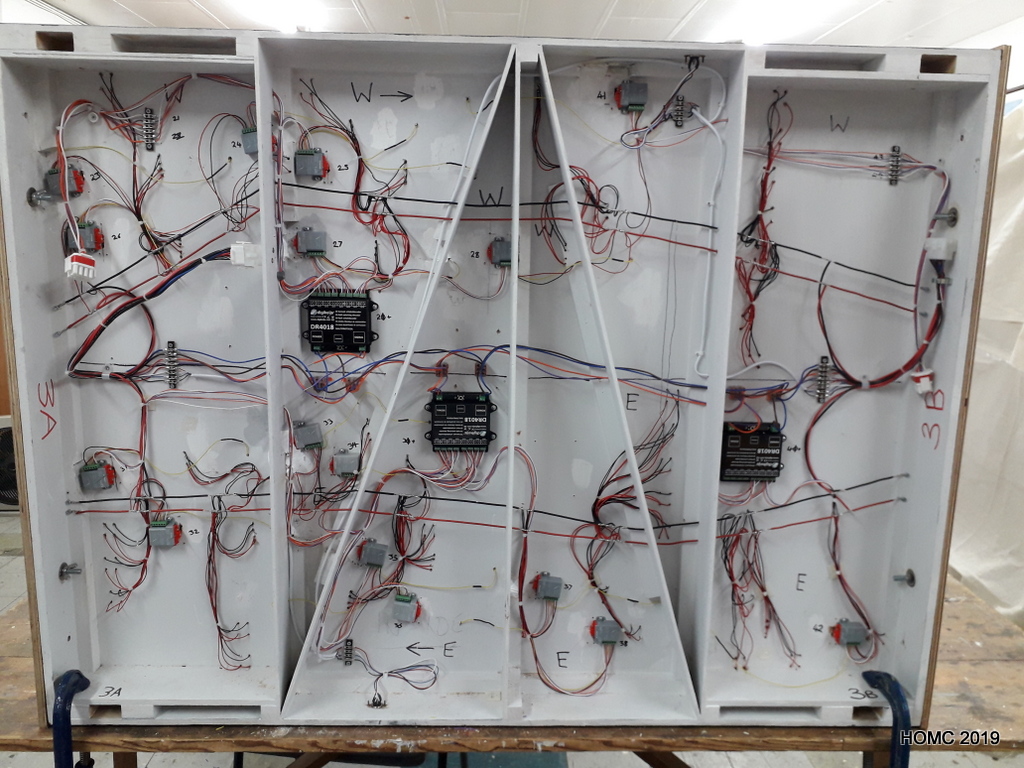
We decided to try a servo design which has a more genteel motion. As there was not enough vertical space for Tortoise motors, have gone for MP-1 point motors from MTB Model (click here) in Prague. These are supplied by DCC Train Automation in the UK (click here). To control these with DCC we also purchased Digikeijs DR4018 accessory decoders, also from DCC Train Automation (click here) which each control eight motors.

We had to include some cross-baseboard links for control to avoid wasting the channels on the accessory decoders. Although it is a pain to replace and rewire all the motors in the yard, provisionally it looks as though it will be a good investment. We will report here on our experiences.


Prepared for Glasgow

We’re all prepared for Glasgow!

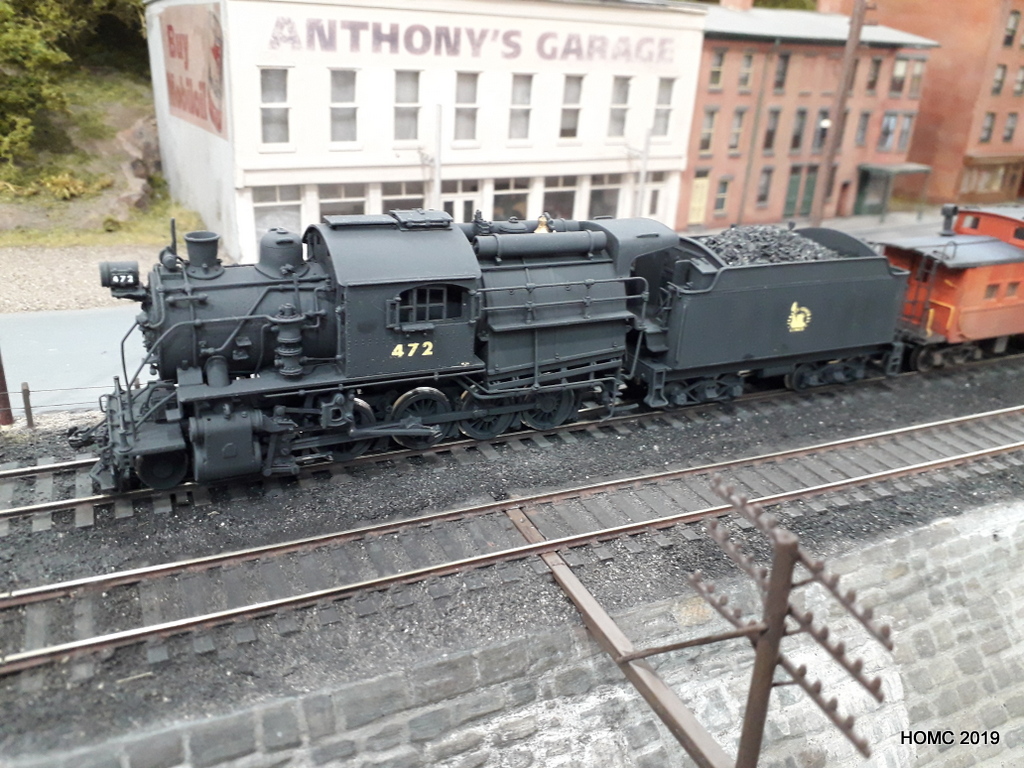
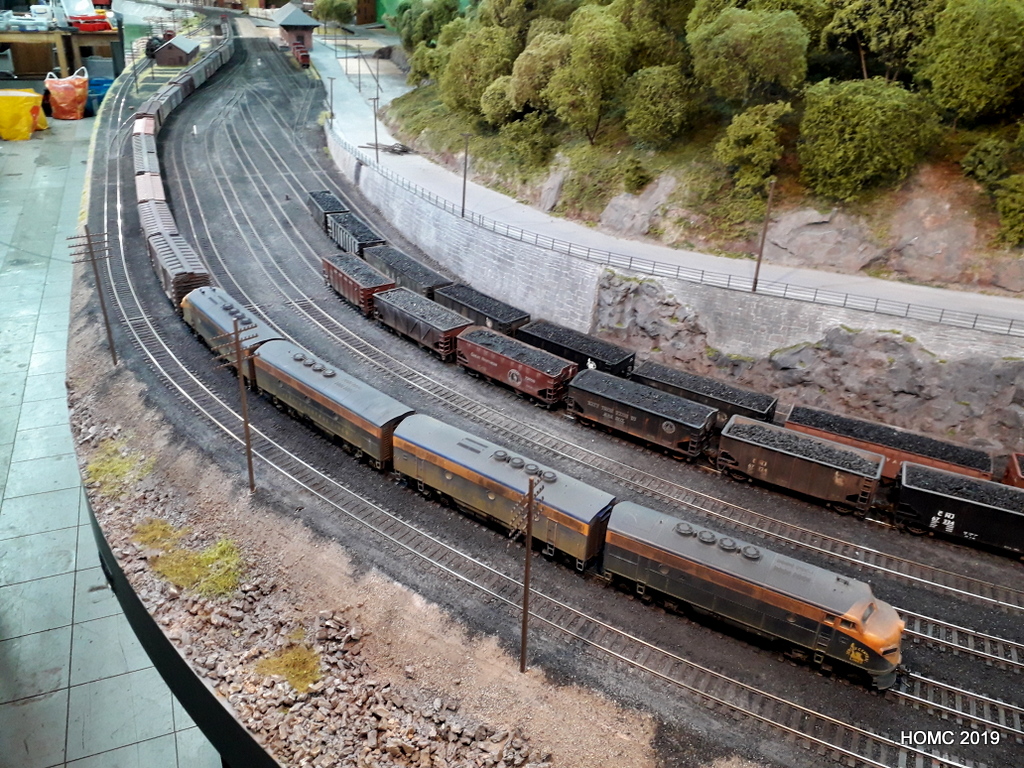
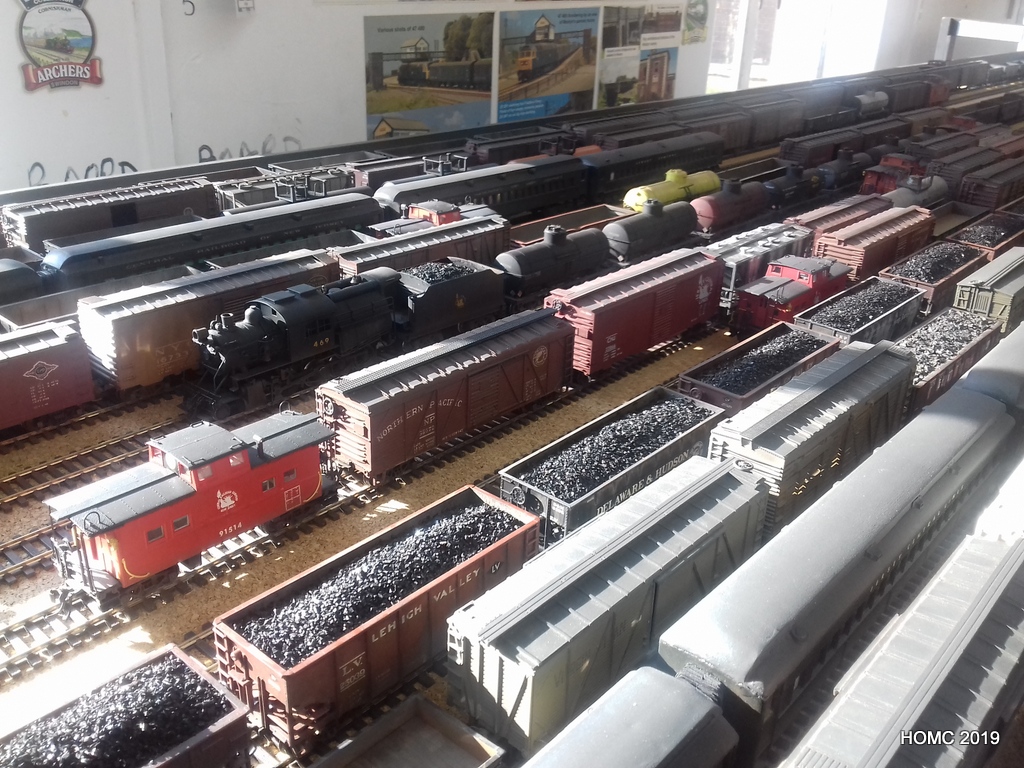
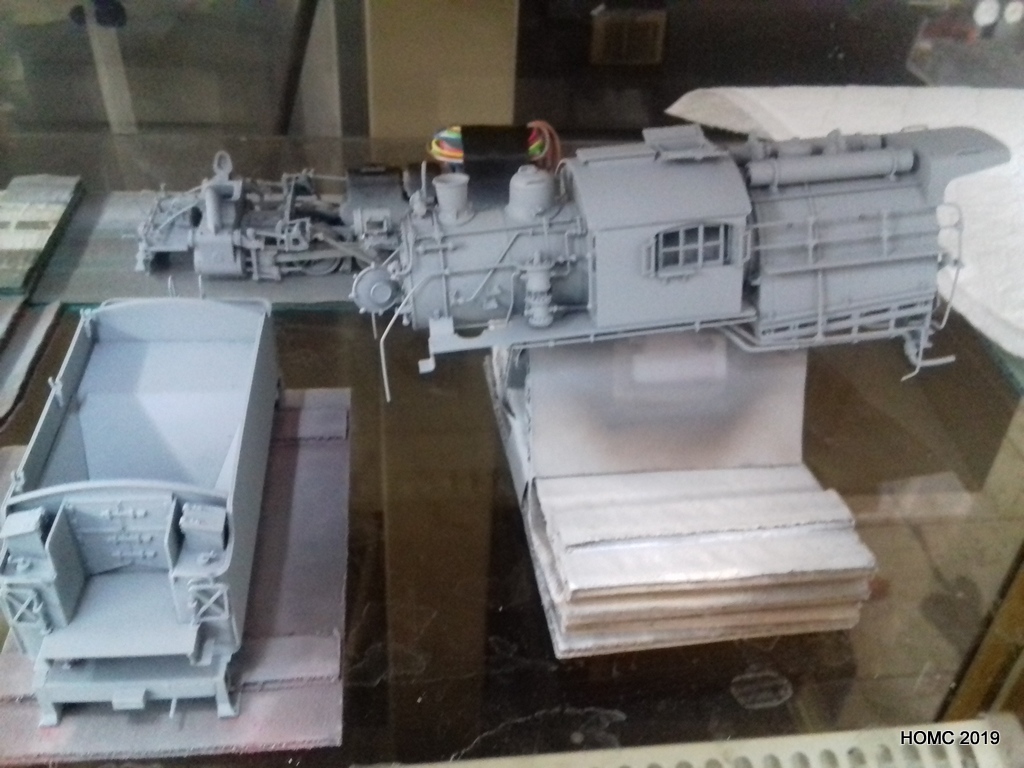
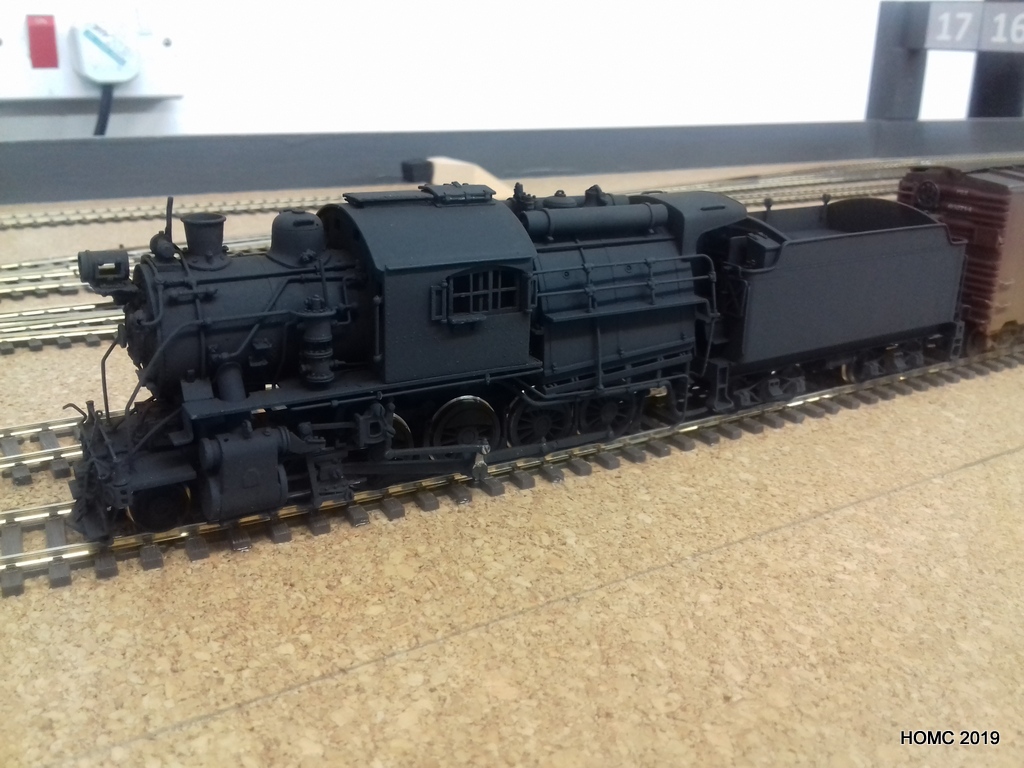
Last week we set out all the stock and tested it in new consists and configurations. Everything (well nearly…) ran well and since then several items have been further weathered. Richard’s new K1s 4-8-0 has been completed and is running and photos also show an ABBA F3 set hauling a long freight Westbound.  Other photos show the locomotive and other stock lined up in their fiddle yard roads.

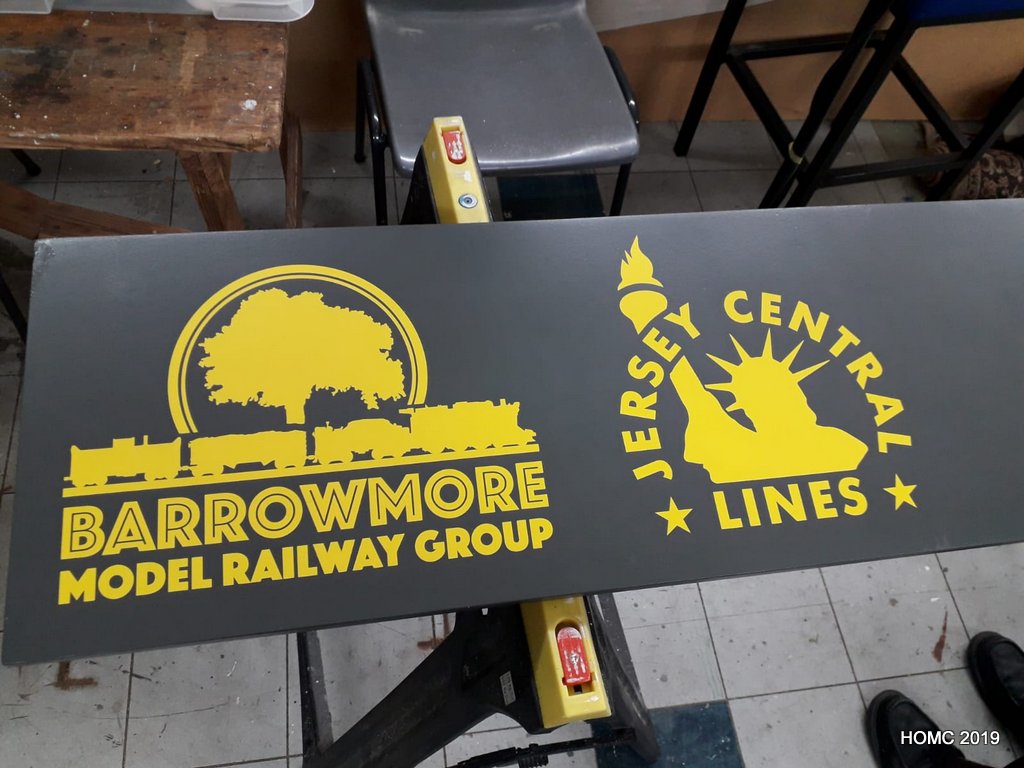
Finally, the new fascia lettering is coming together!

We hope to see some of you at the Scottish Exhibition Centre on Friday through Sunday this weekend.

Preparing for Glasgow – part 2

Work is still progressing on preparations for Glasgow – most of it in intensive sessions coinciding with Steve’s visits to Barrowmore from East Yorkshire.

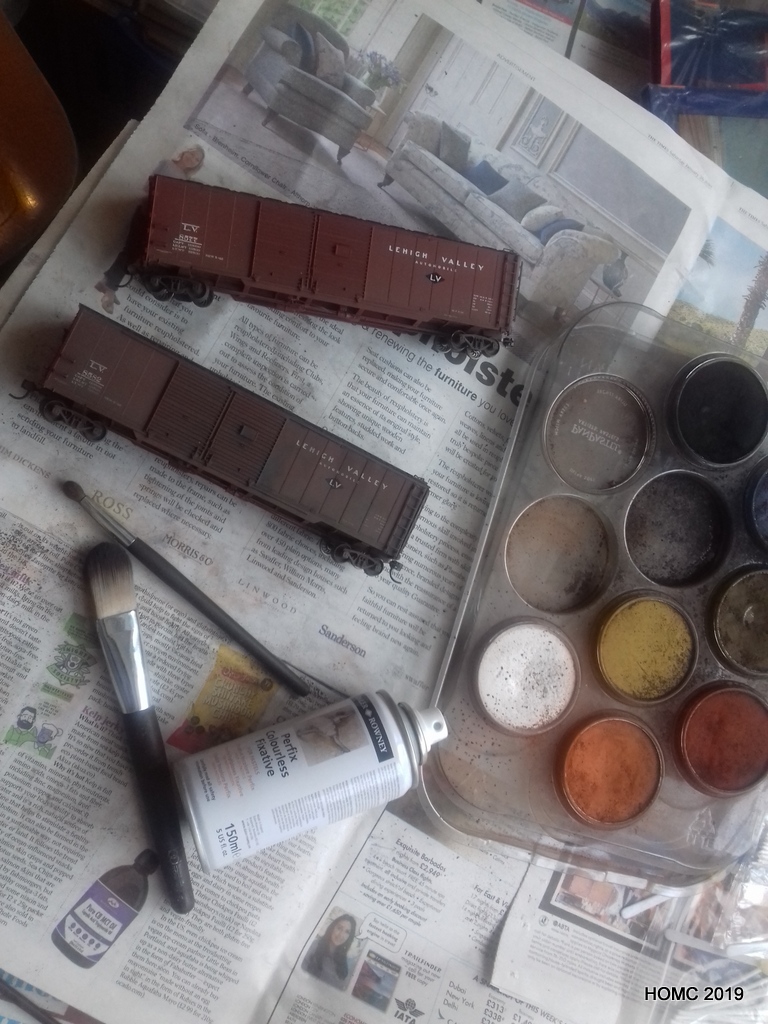
Photos show Steve weathering boxcars with Pan Pastels, these were then sprayed with fixative and/or acrylic matt varnish. The spraying does fade some of the colours, particularly the brown and organge, but has the advantage of fixing them.

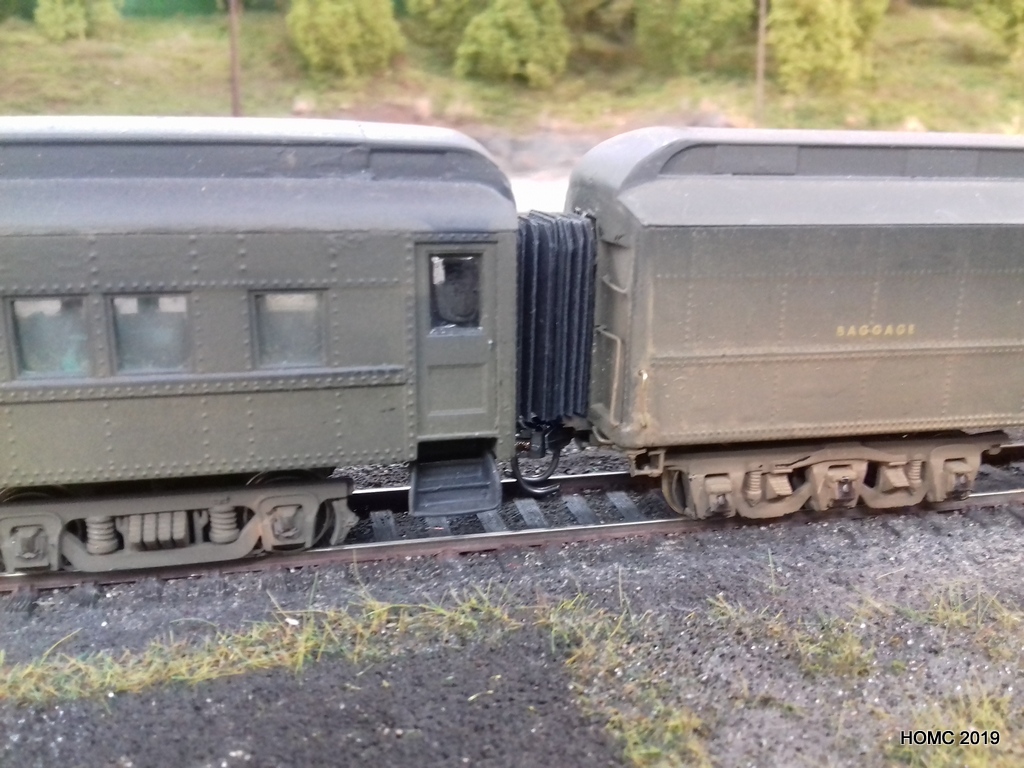
Richard continued making corridor connections for all the passenger cars from black card, scored and folded into concertinas then superglued to the car ends. A LOT cheaper than the commercial options and looks just as good.

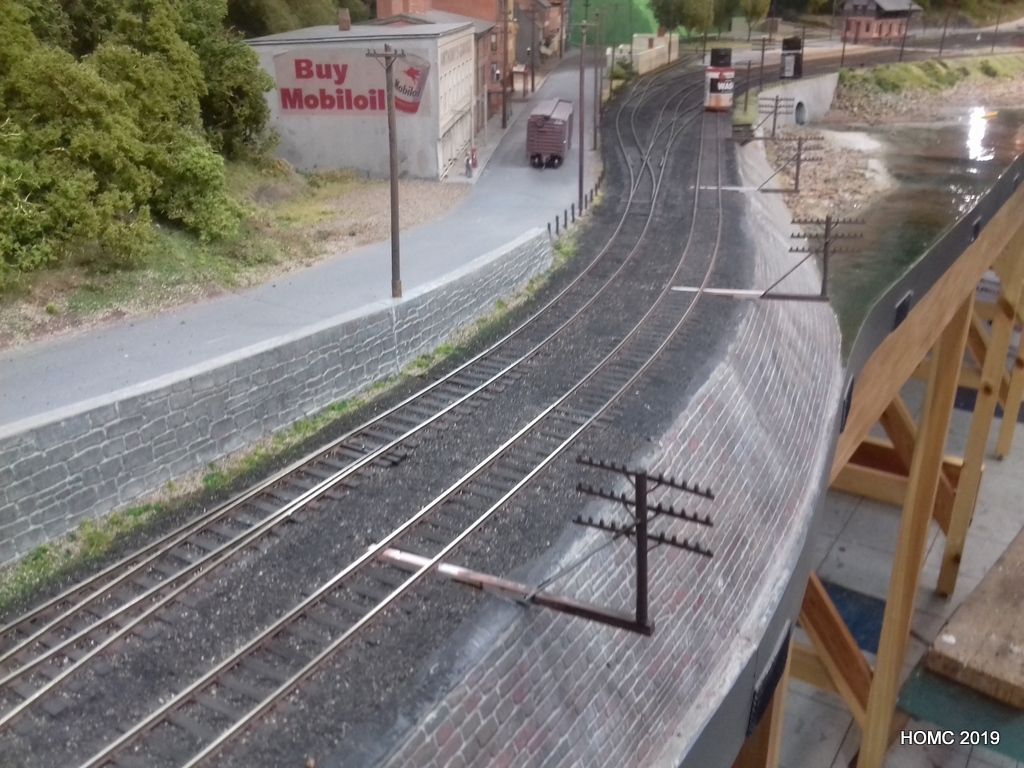
Dave (Millwood) continued to help by ballasting the gap in the platform and making more of the cantilevered telegraph poles for the extended LH end wall. Steve also made and planted many more telegraph poles for the RH end and the front.

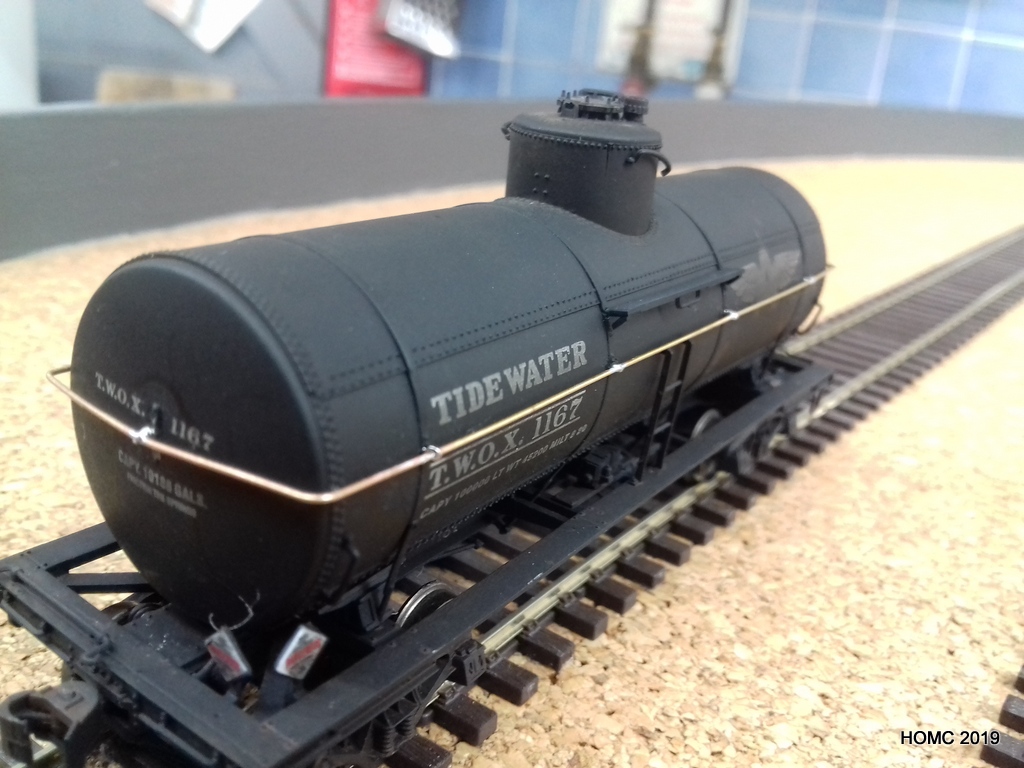
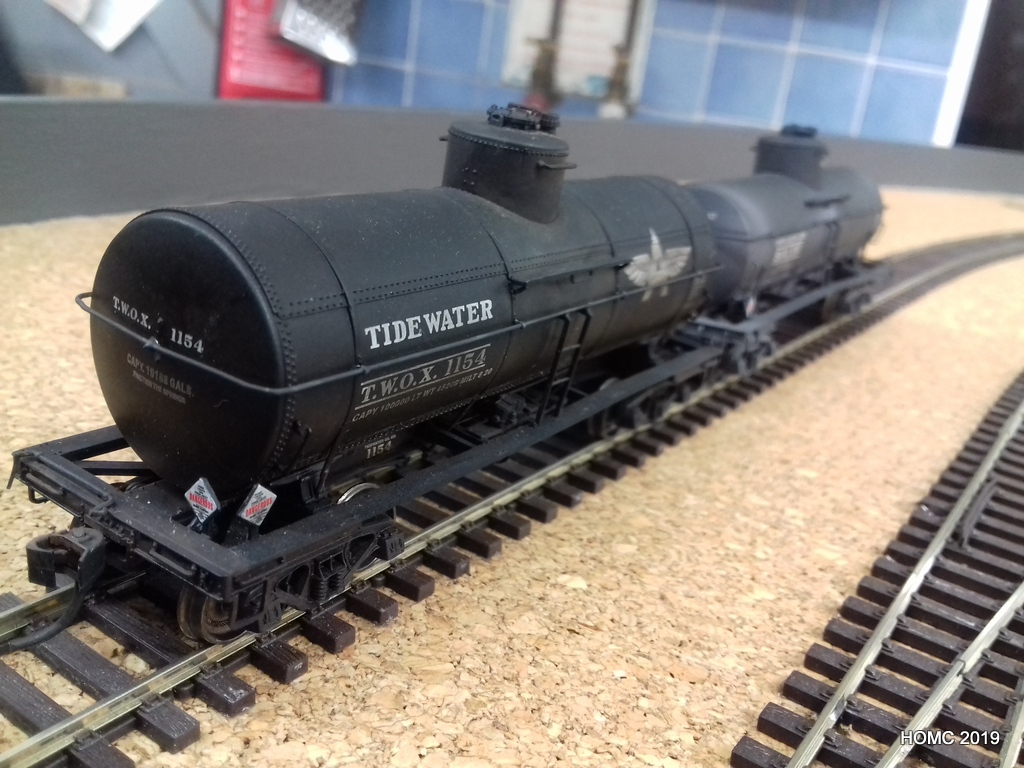
Richard replaced the broken plastic handrails (they are so fine) with brass wire equivalents on half a dozen small tank cars – a substantial task. Gavin airbrushed the latest K1as camelback prior to decaling.

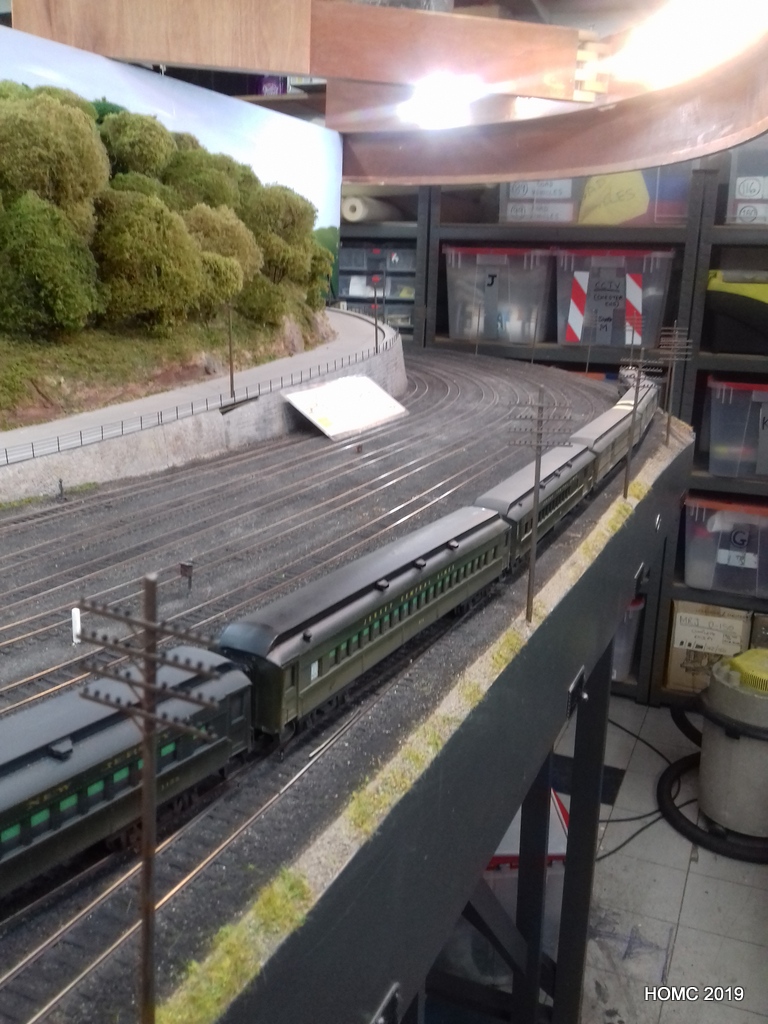
Finally the stock was set out to arrange train consists prior to reboxing it in the correct order. Note the new caboose tail ligthts.